Forward Look: Development & Regeneration in 2026

Designing for constraint, not just ambition
Regeneration is not short of ambition. In recent years, what it has lacked is certainty around funding, infrastructure, delivery risk and long-term viability.
In our last piece, we explored why regeneration has become harder to deliver, shaped by viability gaps, infrastructure constraints and funding complexity. The more important question now is how schemes are being restructured to move forward within that reality.
As 2026 unfolds, regeneration is increasingly being planned around constraint rather than in spite of it. The focus is shifting away from single-asset development and towards longer-term, place-led approaches that can absorb risk, align public and private capital, and remain viable over time. Policy reform, changes in investor behaviour and hard limits on infrastructure capacity are driving this shift, influencing not only what gets built, but how projects are conceived from the outset.
This is not a return to easier conditions. Delivery remains challenging. What has changed is how the sector is responding.
Place narratives as a funding and viability tool
One of the most important developments shaping regeneration is the way schemes are now assessed and funded. Many regeneration projects have historically struggled to demonstrate sufficient benefits compared to costs incurred when viewed in isolation. Long payback periods, abnormal site costs and significant upfront infrastructure requirements often made business cases difficult to justify through conventional appraisal methods, often indirectly favouring schemes in higher-value locations.
That assessment framework, guided by the Treasury’s Green Book, is evolving. Increasingly, schemes are being considered in the context of their wider economic and social contribution, including the impact they have on surrounding neighbourhoods, labour markets, and local economies.
As a result, place narratives are playing a more substantive role in funding decisions. Projects that can clearly articulate how they contribute to long-term place outcomes will be better positioned to attract public funding and address viability concerns. This is less about branding and more about evidencing alignment with wider regeneration objectives and long-term public value rather than assessing development as a standalone intervention.
In practice, placemaking is no longer secondary to commercial viability. Regeneration schemes are now assessed through a broader lens that considers economic impact, social value and long-term place outcomes alongside financial returns. This shift helps direct investment toward areas where regeneration can deliver the greatest long-term benefit, including locations that have historically struggled to compete for funding under purely financial assessments.
Public and private partnerships as a delivery structure
Alongside changes in assessment has come a shift in how developments are delivered.
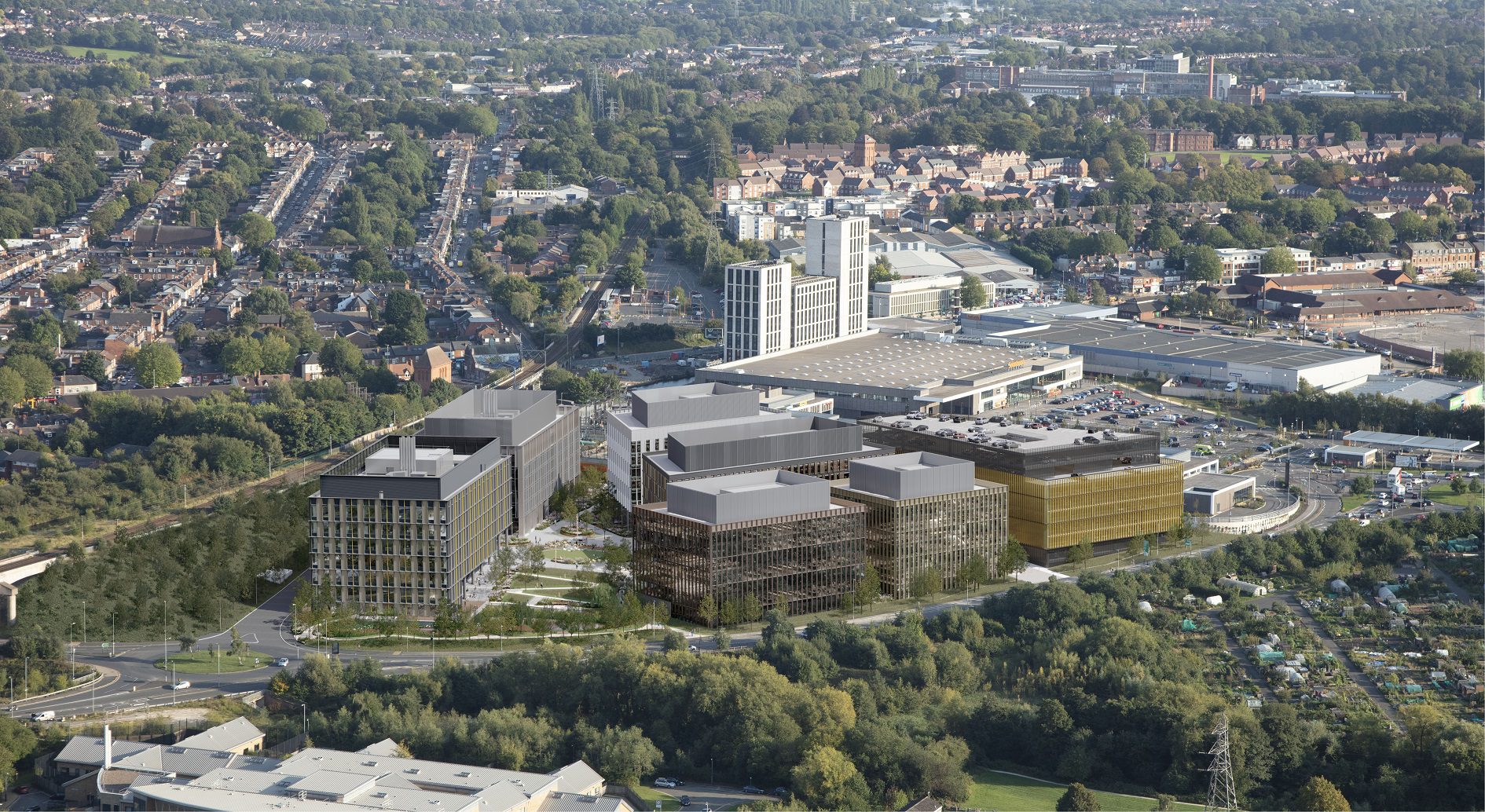
Public and private partnerships are increasingly being used to manage risk and unlock delivery on complex sites. Stone Yard in Digbeth is a clear example of how this collaboration can unlock sites that would otherwise remain stalled.
Public land is often brought forward to support viability, while long leasehold arrangements allow development to proceed without the permanent disposal of strategic assets.
For the public sector, retaining freehold interests enables long-term value capture through mechanisms such as ground rents, profit participation or equity stakes. It also preserves a degree of control, allowing places to evolve over time and be revisited if regeneration is required again in the future. For developers, these structures can reduce upfront exposure and improve deliverability.
Rather than removing risk, these models are redistributing it in a way that reflects long-term responsibility for place and enabling delivery in a challenging market.
Infrastructure shaping regeneration outcomes
Infrastructure has become one of the most significant factors determining whether schemes can be realised.
Grid capacity, utilities provision and power availability are now central to decisions about scale, phasing and timing. Long lead times and rising costs increase exposure for those bringing sites forward, particularly on larger or more complex regeneration projects. In many cases, infrastructure constraints are defining development capacity well before planning considerations come into play.
In regions such as the West Midlands, where regeneration is often brownfield-led and infrastructure capacity varies significantly by location, these constraints are already shaping what can come forward and when.
Policy direction is reinforcing this reality, with growing emphasis on planning utilities and energy infrastructure alongside development from the earliest stages.
This places greater emphasis on early coordination between developers, local authorities and infrastructure providers.
An infrastructure-first approach is becoming essential to reducing delivery risk and improving certainty. Early intervention around utilities and power can shorten programmes, improve investability and unlock greater long-term value.
Rental-led housing in a constrained environment
These structural changes help explain the continued growth of rental-led housing models within regeneration.
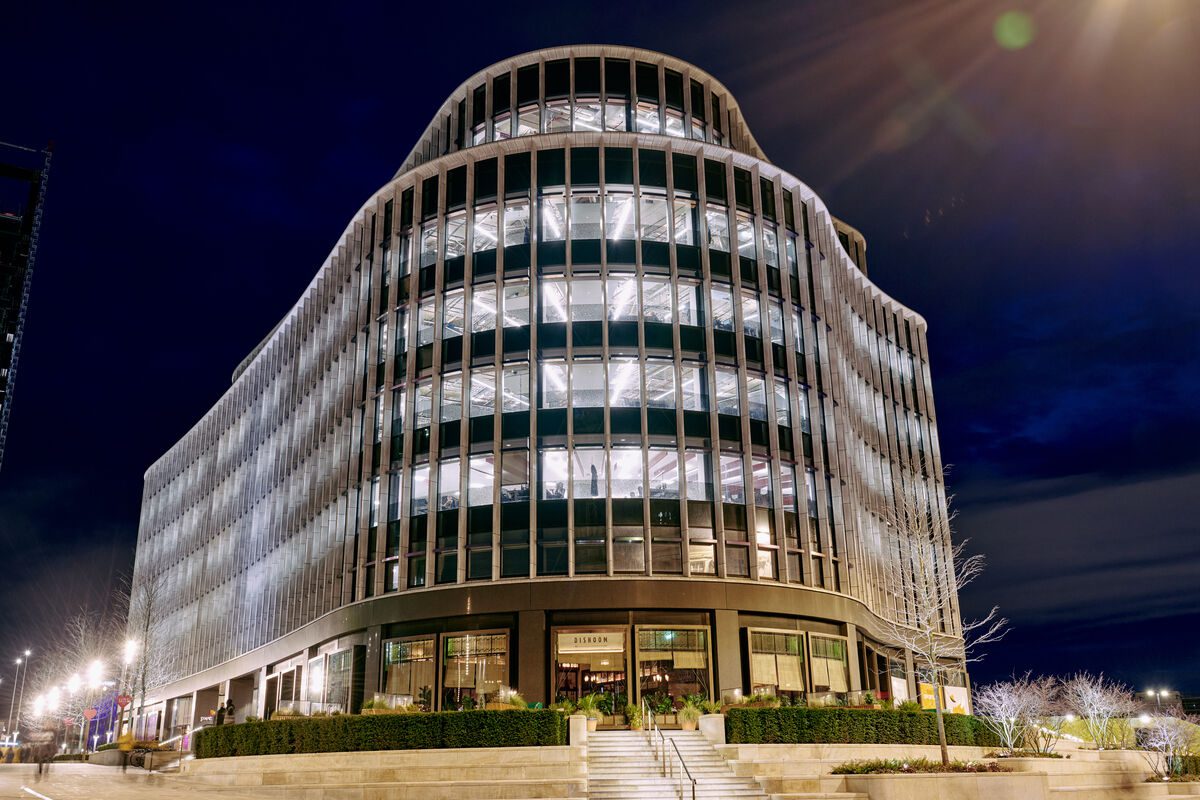
Multi-family and single-family build-to-rent align closely with current delivery conditions. They offer long-term income profiles that suit institutional capital, provide greater certainty around delivery and can be phased more predictably on complex sites. They also respond to ongoing affordability pressures that continue to limit access to owner occupation.
Underpinning this shift are housing market fundamentals that continue to favour rental delivery. High underlying demand, limited supply and constrained affordability for private purchase mean many households struggle to access deposits or mortgages. In that context, build-to-rent and the wider private rented sector are absorbing demand, offering professionally managed, long-income assets that align closely with institutional investment requirements.
Nevertheless, post-2022, capital deployment has become more selective, with a preference for later-stage or de-risked opportunities rather than fully underwriting construction and regulatory risk. While interest rate movements may influence appetite at the margin, underlying investment drivers remain focused on certainty, longevity and income stability.
Within regeneration contexts, including across the West Midlands, rental-led models are often better suited to these requirements than traditional private sale approaches, allowing delivery to continue despite wider market constraints.
In 2026, net zero is less a design ambition and more a delivery necessity. Developing new processes, adapting supply chains and ensuring delivery meets these greener needs is no easy task, and only adds complication to developments.
A retro-fit first approach to development can drastically reduce impact and costs, while also preserving local history and aesthetics. Instead of leading with the wrecking ball, old or disused buildings can be rejuvenated, brought up to modern standards and put back to use.
In the cases where retrofitting isn’t applicable, Modern Methods of Construction (MMC) are part of the solution. 24% of new residential projects in the UK now use MMC approaches, an uptick from the 18% in 2024. But while good use of MMC reduces carbon emissions and can shorten build-out programmes, they come with their own risks in practice. Manufacturers operate with high fixed costs and thin margins, creating an exposure to insolvency that developers and funders must factor into delivery strategies.
To navigate this greener market, net zero considerations are being pulled forward into the pre-planning stage. Decisions around materials, energy strategy and building structure now need to be made earlier than ever.
The result is a growing disconnect between ambition and practicality. Net zero remains a non-negotiable, but how it is delivered, and who carries the risk, is becoming one of the defining questions for the market in 2026.
Designing for long-term delivery
Taken together, these developments point to a change in how development is being approached as the sector starts 2026.
Progress is less likely to be driven by vision statements alone, and more by the quality of structure underpinning schemes. Projects that move forward will be those designed to work within financial, infrastructural and operational constraints, while still delivering long-term benefits for place.
In that context, regeneration success will depend less on aspiration and more on the discipline applied to structure, sequencing and long-term responsibility for place.
That discipline sits at the heart of how regeneration will be planned, funded and delivered in the years ahead.
This article was informed by insight from colleagues across WMGC’s real estate and regeneration team.