The Future of Funding: Why 2025–2030 Could Redefine Regeneration in the West Midlands
A Structural Turning Point For The Region
2025 was a difficult year for real estate across the UK. Inflation lingered longer than anyone hoped, the cost of capital stayed comparatively high, and planning bottlenecks pushed already-tight viability margins even further. For many developers, it felt like a year spent waiting for the market to blink first.
Yet in the West Midlands, something else was happening beneath the surface, something that now looks less like a series of policy updates and more like the early signs of a structural turning point for 2025–2030.
Spending Review: A Signal of Long-Term Commitment
The June Spending Review did more than allocate funding; it reframed the purpose of housing and regeneration within the UK economy for those most in need:
- £39 billion for affordable and social housing
- £3.9 billion per year, with 60% for social rent
- A commitment contributing to 1.5 million homes by 2029
- Crucially, multi-year certainty
But the real significance lies beyond the numbers. The Review signalled a shift from short-term, reactive funding cycles to long-term, viability-supportive investment. In other words, capital is now available earlier in a project’s lifecycle, where viability is most fragile and where public-sector support can make the biggest difference.
The Regional Investment Summit: Why the West Midlands Was Chosen to Lead
While the Spending Review set the national direction, the Regional Investment Summit demonstrated where that direction is being tested.
Hosting the UK’s first summit of its kind outside the South East was not symbolic, it was strategic. It signalled that central government now sees the West Midlands as a region capable of shaping and delivering the UK’s next investment cycle.
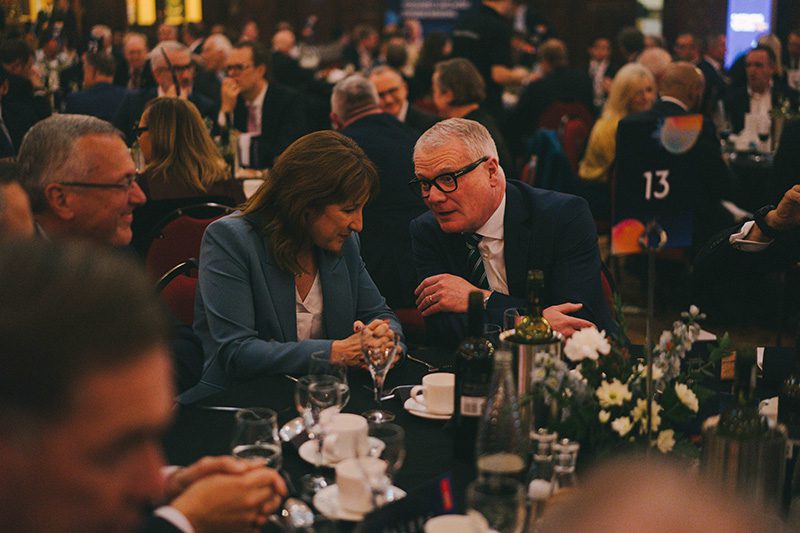
Crucially, the Summit confirmed that the West Midlands will host pilots for two major national mechanisms:
- National Wealth Fund (NWF): A regional project accelerator designed to unlock large, complex schemes that private capital currently finds too risky.
- Place Investment Framework (PIF): A new national framework that determines how early-stage, high-risk projects should be prioritised and supported. While the PIF is not a funding pot in itself, it works alongside the National Wealth Fund and the devolved Integrated Settlement to guide where early intervention can have the greatest impact. The Birmingham Sports Quarter may be identified as a priority project within this framework, potentially acting as a PIF Pathfinder for the region.
This clarified the direction of travel in that future funding and intervention will be channelled into locally defined priorities, regeneration-led growth, housing delivery, and the nation’s “growth-driving sectors” outlined in the Industrial Strategy.
Together, the Spending Review and the Summit signal a structural shift in how capital will flow into the UK’s regions. And the West Midlands is ahead of other regions, positioned as the testbed for a new era of place-based, flexible, early-stage funding.
A New Funding Ecosystem: Four Mechanisms Reshaping Viability
Over the next five years, the West Midlands will operate within a funding environment fundamentally different from anything it has had before. These are to create a clearer, more de-risked pathway for complex development. Individually, each tool is valuable. Together, they represent a structural shift in how regeneration can be delivered.
Devolved & Flexible Funding: The Integrated Settlement Advantage
Starting from the 2025/26 financial year, the West Midlands will enter a new phase of devolved funding, one that not only expands the size of the pot but crucially expands the region’s freedom to use it.
The Integrated Settlement is designed to shift power from Westminster to Mayoral Combined Authorities, giving regions greater influence over how public money is allocated, and deployed in line with local priorities. The settlement is able to:
- Fund early-stage infrastructure that unlocks stalled sites
- Align transport, housing, skills and regeneration into one programme
- Sequence investment around where private appetite already exists
- Plan long-term rather than react to annual settlements
The 2025/26 settlement offered an early glimpse of what that autonomy can achieve, enabling progress on strategically important regeneration schemes such as:
- Smithgate, Wolverhampton: supported through the English Cities Fund
- Stone Yard, Birmingham: advanced with partners including Moda, Aviva, NatWest and Homes England
These examples show how devolved funding can help unblock sites that have struggled to move forward because of constrained values and high costs.
The 2026/27 Integrated Settlement is a structural change in the region’s ability to deliver growth at scale. And it is this shift, alongside new national funds and private patient capital, that sets the stage for the West Midlands’ most investable period in over a decade.
National Early-Stage Intervention Funds (NWF & PIF): Removing the Hardest Risks First
Building on this foundation, the National Wealth Funds tackle one of the biggest barriers to development – early-stage risk. These funds step in at the points in a project’s lifecycle where most schemes stall, the expensive, uncertain initial phases. By covering these upfront costs, they make sites financially and logistically investable, attracting private capital that might otherwise have stayed on the sidelines. In short, NWF and PIF take on the initial risk so that high-potential projects can be delivered, creating real, tangible impact across the region.

Alongside this sits the Place Investment Framework (PIF). It’s a national framework that guides how early-stage, high-risk projects should be prioritised and supported. The PIF works together with the NWF and the devolved Integrated Settlement, helping determine which schemes should receive early intervention, and ensuring that public investment aligns with locally identified priorities. The Birmingham Sports Quarter could be selected as a priority project under this framework, potentially acting as a PIF Pathfinder for the region.
Together, the NWF and the guiding role of the PIF remove the hardest barriers to delivery, enabling transformational schemes to move forward, unlock private investment, and convert long-standing ambition into real economic outcomes.
Patient Private Capital (Sterling 20, L&G): Pension Funds Backing Regional Growth
In addition to this, the Sterling 20, which is a collaboration of the UK’s 20 largest pension funds, alongside commitments like Legal & General’s £2 billion pledge for affordable housing by 2030, are providing the kind of steady, long-horizon capital that complex regeneration schemes need.
For the region, this matters because it allows developers to secure a funding partner earlier in a project, reduces reliance on short-term or high-interest finance, and supports schemes that are large, complex, or slow to deliver. These funds are comfortable with lower returns over longer periods, making them ideally suited to housing, infrastructure, and multi-phase regeneration projects.
Mayoral Revolving Growth Fund: A Long-Term Engine for Investment
Alongside these public and private funding mechanisms, the West Midlands will also benefit from a new Mayoral Revolving Growth Fund; an evergreen, low-interest investment tool designed to accelerate development in strategically important sectors. Unlike traditional grants, this fund accepts gilt-rate matched returns and then recycles these returns into other schemes within the region, rather than returning them to central government, creating a self-sustaining source of capital for future projects.
The fund is specifically aimed at unlocking commercial, innovation and employment space; the kinds of assets that are essential for high-value job creation but often struggle to stack up commercially due to viability concerns. By taking on part of the upfront risk, the fund helps make these projects viable, enabling developers to move forward with confidence.

For the West Midlands, it signals a step up in financial maturity. The region will have a long-term investment engine capable of supporting regeneration at scale, complementing the wider devolved settlement and reinforcing investor confidence in the region’s ability to drive and sustain growth.
Mayoral Development Corporations: The Governance Tool That Could Accelerate Delivery
In parallel with these funding mechanisms, the West Midlands is also exploring Mayoral Development Corporations (MDCs) as part of its broader devolution journey.
MDCs bring together the tools that accelerate development:
- Planning powers that cut through delay
- Land assembly powers that solve fragmented ownership
- Dedicated, ring-fenced budgets backed by the Integrated Settlement
- Infrastructure investment authority to prepare sites properly
These are exactly the levers required for the region’s most complex and strategically important sites.
If done with a clear geography, a coherent vision, and a defined economic purpose, an MDC would be the biggest step forward for delivery the region has taken in more than a decade.
The strongest candidate to anchor this? Birmingham Sports Quarter.
The Sports Quarter already combines scale, national profile, economic value, and political momentum. It requires complex land assembly, major infrastructure investment, and an accelerated consenting approach, the precise circumstances an MDC is designed for. Framing the MDC around Sports Quarter, and then extending its remit to the Knowledge Quarter, Smithfield and Digbeth, would create a coherent, investable regeneration zone with a single delivery voice.
By combining dedicated funding with statutory powers, an MDC could transform long stalled, high-potential sites into investable, deliverable developments, speeding up delivery and increasing certainty for all parties involved.
What This Means for the West Midlands
For years, some of the region’s most ambitious projects stalled because early-stage costs, infrastructure gaps, or planning uncertainty made them unviable. Now, the National Wealth Fund, Place Investment Framework, and devolved Integrated Settlement remove those barriers, turning high-potential sites into investable, deliverable projects.
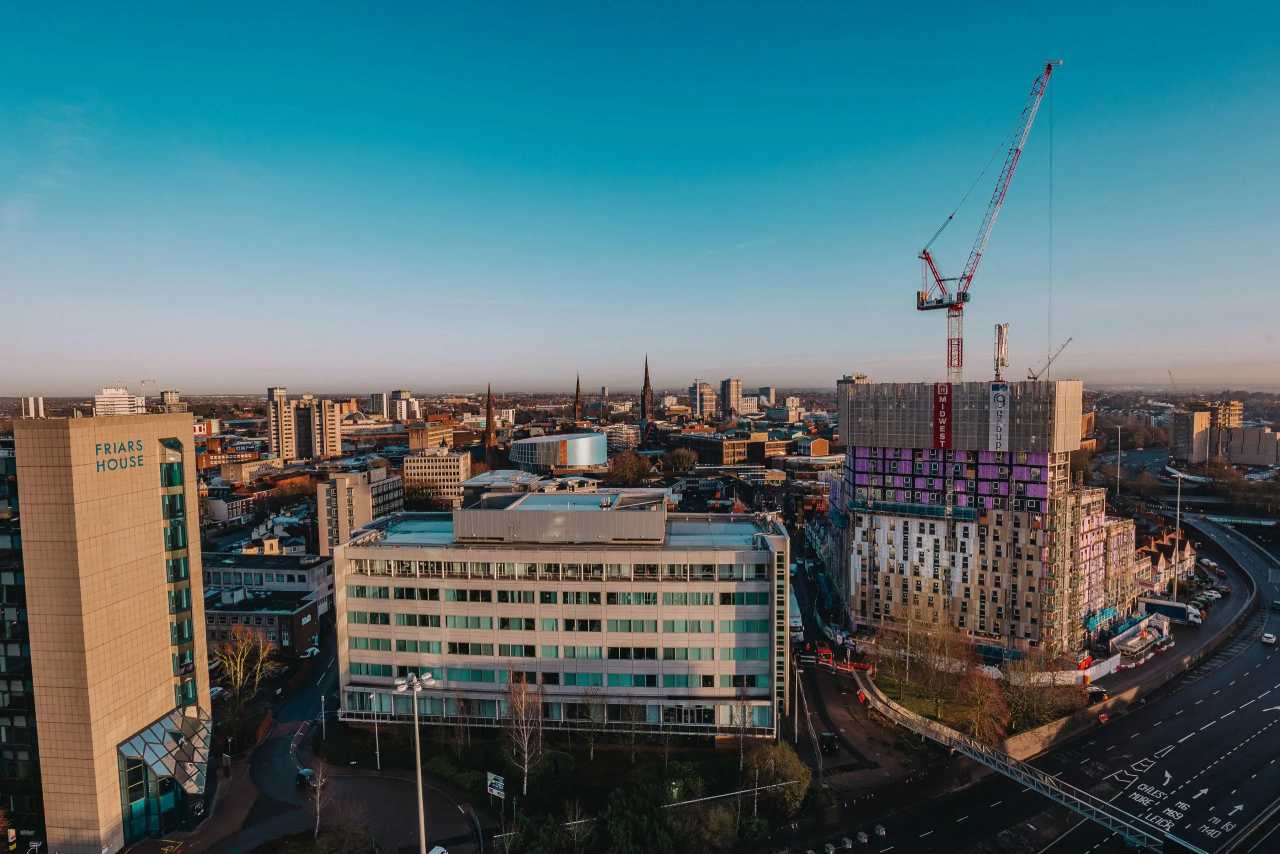
The West Midlands region is ahead of most others with pilots for national funds hosted locally, the West Midlands enjoys a competitive advantage. Central government trust, combined with local autonomy, means the region can lead the way in demonstrating how place-based funding drives large-scale regeneration.
Delivery pace will determine whether the opportunity is realised, the West Midlands has the tools in place, but success depends on execution. How quickly the region can coordinate stakeholders, investments, and deploy capital will decide whether this rare alignment of funding, governance, and private capital translates into tangible growth.
Looking Ahead: Converting Alignment into Delivery
Looking ahead, the period post-2026 represents a real opportunity for a step change in delivery. Greater autonomy, flexible capital, and the potential establishment of an MDC could significantly reduce viability gaps, unlock strategic regeneration zones, and accelerate development in sectors that drive national growth, particularly life sciences, technology, advanced manufacturing, and housing.
This is a rare moment where funding, governance, and private capital are aligned. The West Midlands now has the tools to turn ambition into reality, but how quickly the region moves will determine whether this potential becomes tangible, lasting impact.
The tools are finally aligned, so the question now is how fast we use them.
Free support services
We bring together a project team from relevant organisations across the region. This team includes property agents, recruitment consultants, public sector departments and universities. It delivers a comprehensive support package to quickly and easily help you establish and scale your business in the UK.

You might also like…
WM at UKREiiF
Real Estate and Regeneration
MIPIM
Real Estate and Regeneration