Digbeth: the Wave of Regeneration Momentum Shaping Birmingham’s Creative Quarter
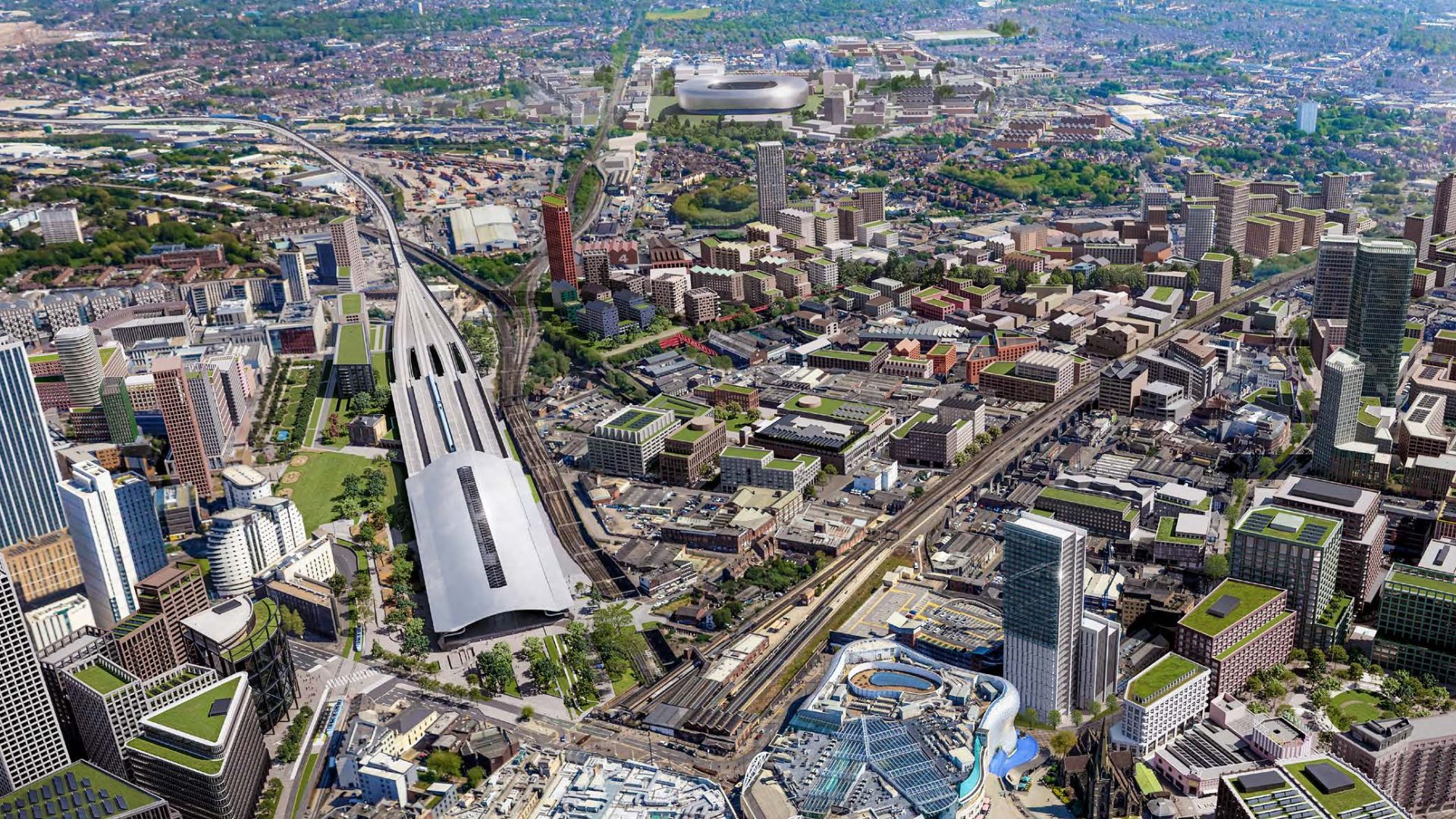
Digbeth has become the beating heart of Birmingham’s regeneration story.
Known for its visually striking factories, warehouses and railway arches, the district has is one of the UK’s most compelling examples of creative-led urban transformation.
Major investments. A thriving creative ecosystem. Nationally significant infrastructure projects. Digbeth is gathering a wave of regeneration that is building in momentum that’s carrying with it a new era of growth and opportunity.
At a glance – Digbeth’s transformation
- Production hubs like Digbeth Loc. Studios (founded by Steven Knight) and the redevelopment of the historic Typhoo Tea Factory for the BBC, Digbeth is establishing itself as a major broadcast and creative cluster.
- Anchored by the relocation of flagship TV series MasterChef to the area, signalling large-scale trust in the West Midlands media landscape.
- The forthcoming Birmingham Sports Quarter will bring sport, leisure, commercial activity and thousands of jobs to the area.
- Over 6,000 new homes are in the pipeline across Digbeth and Eastside, with 55% classed as affordable, a strong inclusivity benchmark for regeneration.
Made in Digbeth
Digbeth is fast becoming the centre of Birmingham’s creative momentum, the neighbourhood is proving it can deliver talent, jobs, and world class content. Each new investment adds to a growing ecosystem where ambition and creativity thrive. Digbeth is a place with limitless potential and it’s achieving the local ambition: to become the next creative hub in the UK.
MasterChef’s Digbeth Studio: Serving Up The Next Chapter in TV
Birmingham’s creative story continues to unfold, this time with a taste of something universally recognisable. For the first time in over 15 years, the MasterChef production has changed cities, and it has chosen Digbeth as its new home.
The move of this flagship unscripted series is more than a production shift; it’s a statement about Digbeth’s growing influence in the UK’s media landscape.
Traditionally, large-scale entertainment and unscripted formats like MasterChef have been clustered in London. By relocating to Birmingham, MasterChef acknowledges that the city, and Digbeth in particular, offers world-class facilities, talent, and creative infrastructure capable of supporting productions of the highest calibre.
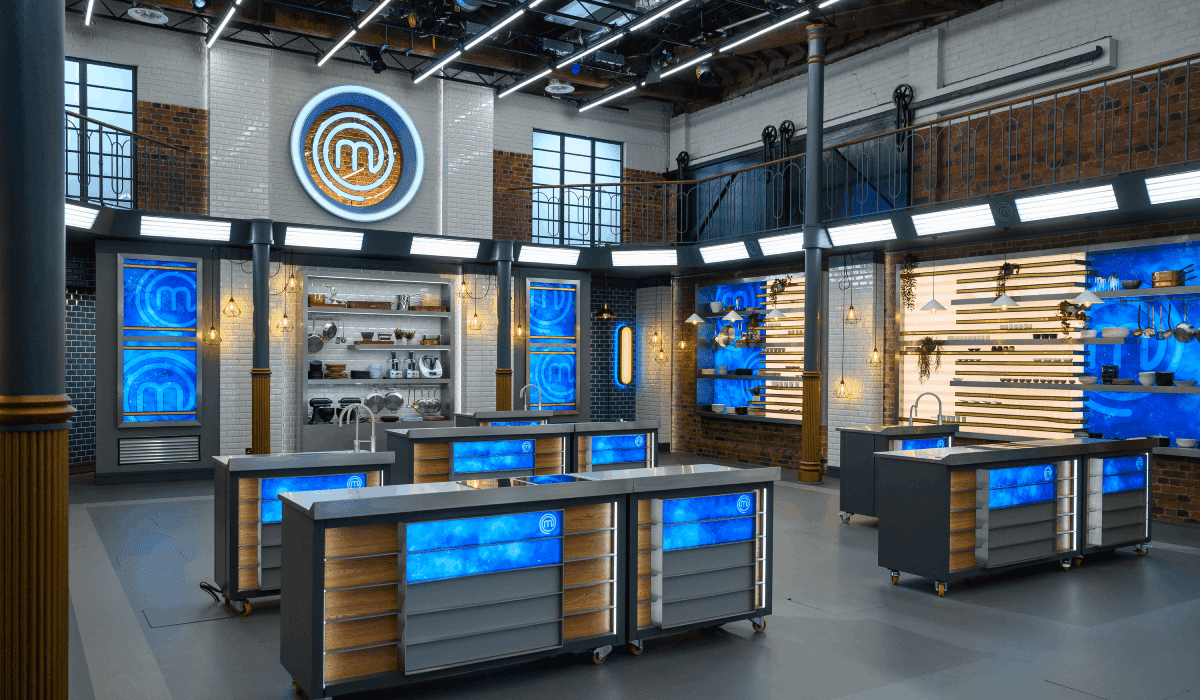
For investors and businesses watching the city, MasterChef’s move is a strong signal. When one of the UK’s most recognisable television companies physically bases itself in Digbeth, it demonstrates confidence in the city’s connectivity, and creative ecosystem. It’s not just about cooking on screen, it’s about the West Midlands serving up opportunities for growth, investment, and long-term creative momentum.
BBC at the Typhoo Tea Factory
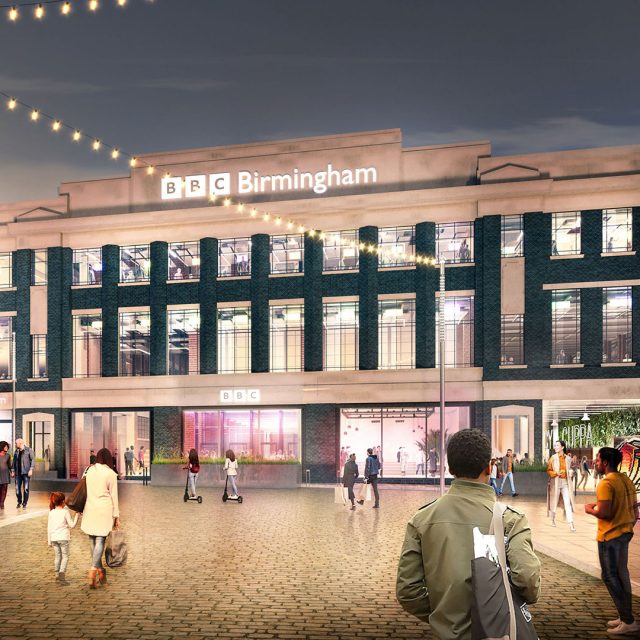
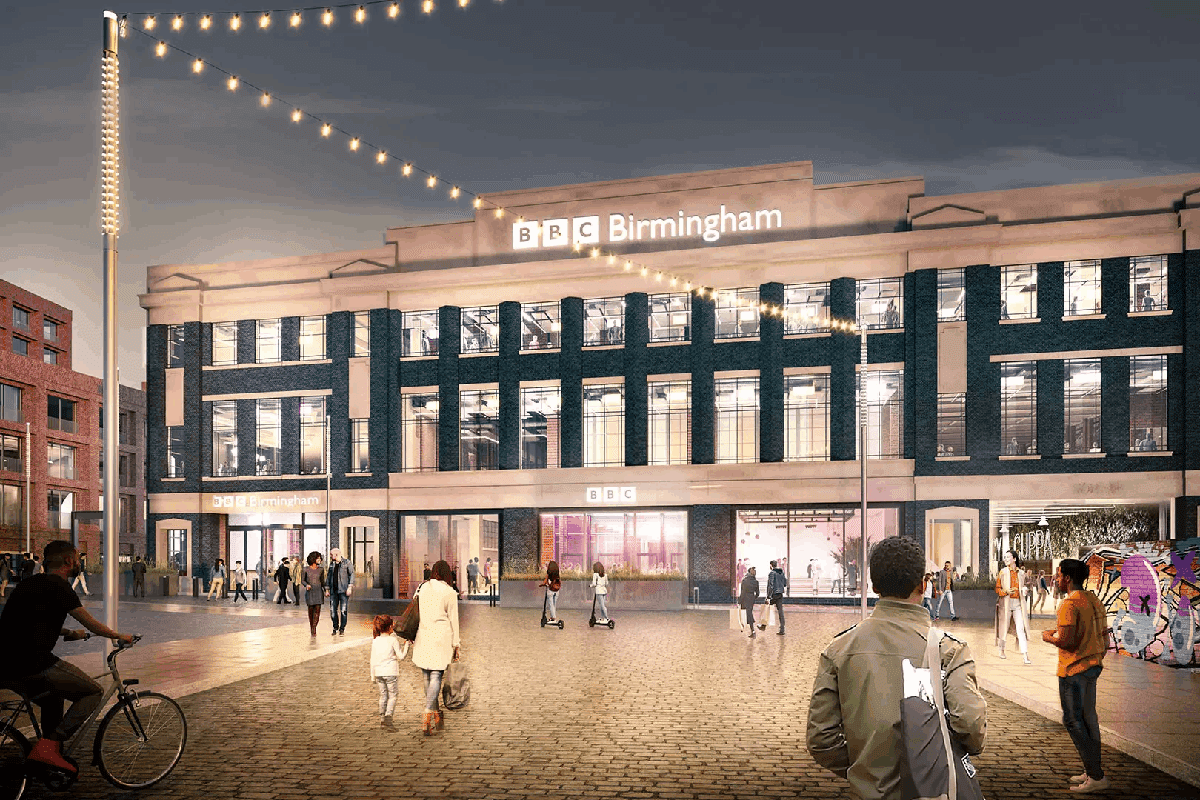
The 100-year-old Tea Factory in Digbeth is being transformed into a world-class broadcasting centre and creative hub, supported by the West Midlands Combined Authority. The site will house editorial teams across the BBC’s portfolio, including The Archers, BBC Asian Network, BBC Newsbeat, and BBC Radio WM, making it a focal point for both regional and national broadcasting.
The impact of the move goes far beyond the buildings themselves. As part of its West Midlands expansion, the BBC has committed to nearly doubling its network television production spend in the region.
For the creative community, the Typhoo Tea Factory signals opportunity, bringing 900 jobs to the area, attracting young professionals from around the UK, offering collaboration spaces, and a stage for talent to flourish. For investors and local businesses, it represents a long-term bet on growth, as the BBC’s presence attracts productions, crews, and creative professionals.
This move has directly anchored a key mixed-use development, Typhoo Wharf, that is uniting heritage, innovation, and capitalising on the outstanding connectivity of Digbeth.
Digbeth Loc. Studios and Steven Knight
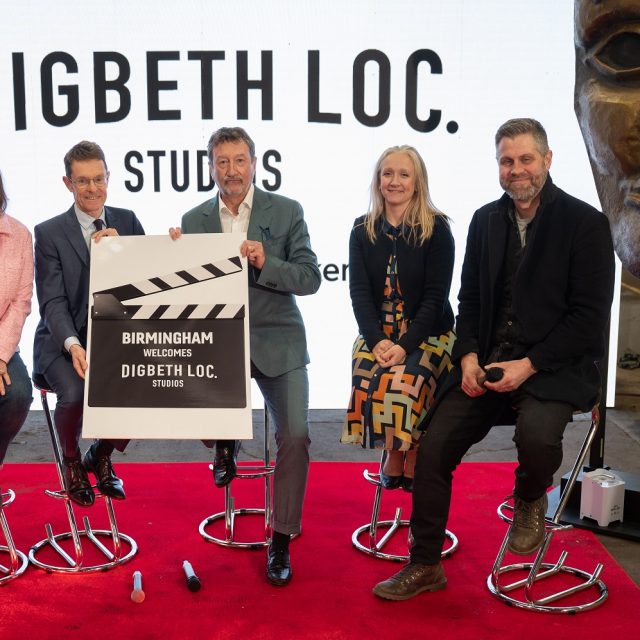
Birmingham’s creative scene has truly never been bigger with the launch of Peaky Blinders mastermind Steven Knight’s brainchild, Digbeth Loc. Studios.
This bold new venture promises to put the city firmly on the map as a hub for Film & TV innovation.
The beauty of Digbeth Loc. Studios is the way it has built on what came before. The large industrial site and 19th-century architecture provided the foundation for a modern, modular production powerhouse. It proves that all it takes is a strong vision and the potential of Digbeth’s spaces to create something iconic.
This is backed by the launch of Production Central WM, a dedicated film and TV production hub that makes filming in the region easy, efficient and production-ready. Digbeth is positioning itself as a serious rival to London, Manchester, and other major production centres.
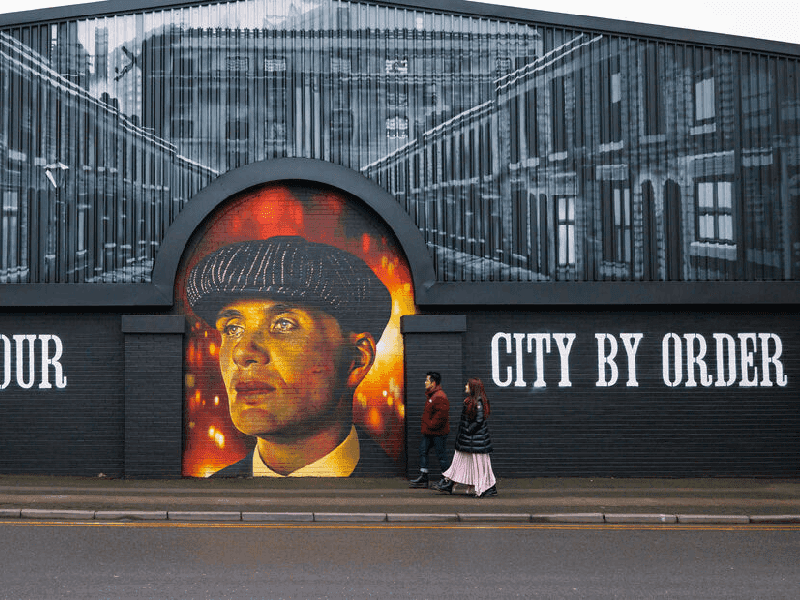
Birmingham is more than a city with a rich history; it’s a city looking towards the future. Digbeth is more than a thriving neighbourhood of creatives, its telling stories that reach audiences around the world. With Steven Knight at its heart, Digbeth Loc. Is more than a film set, it’s a statement.
Shaping Stories, Building Futures
Together, these developments highlight Digbeth as a production powerhouse in motion. With high-profile productions, state-of-the-art studios, and national broadcasters, momentum is building across the creative neighbourhood. Digbeth is telling stories that reach audiences worldwide and generating opportunities that drive long-term growth. It proves the West Midland’s status as a hub for innovation and creativity.
Birmingham Sports Quarter
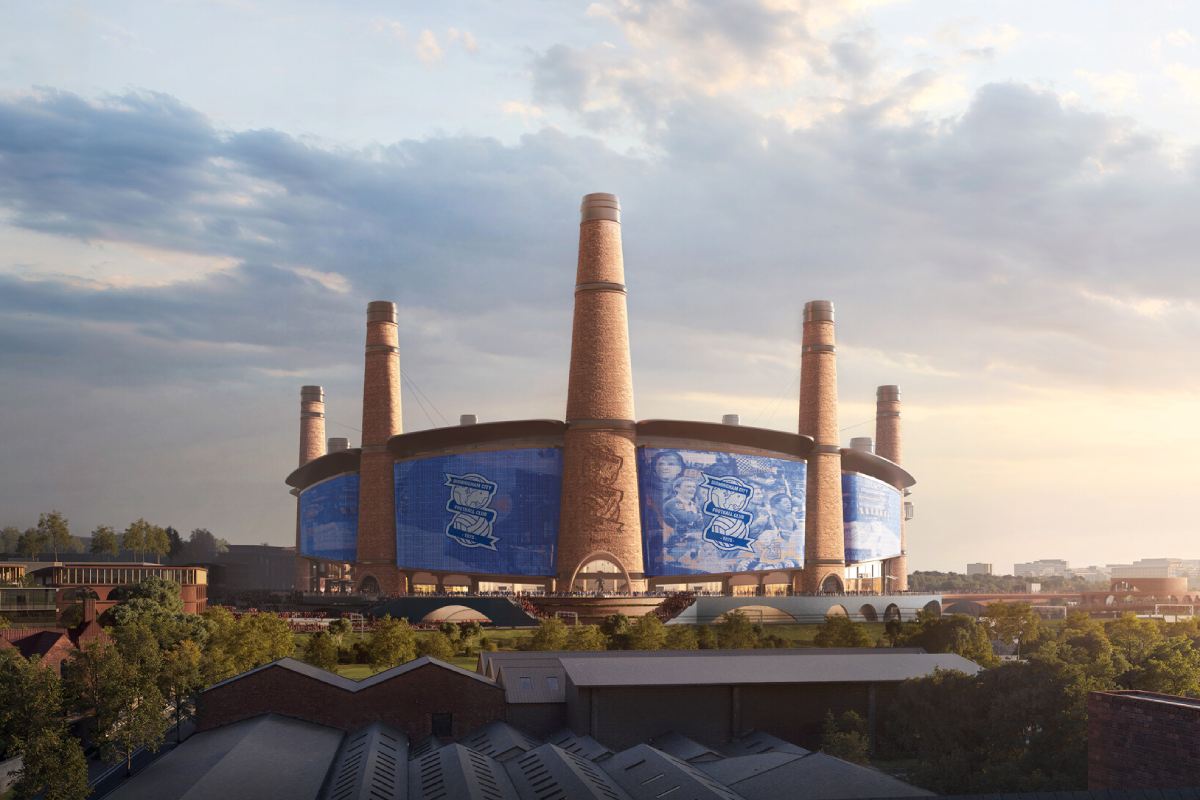
The new Birmingham Sports Quarter, anchored by Birmingham City FC, is accelerating the city’s regeneration momentum. At its heart will be the Birmingham City Powerhouse – a state-of-the-art, 60,000-seat stadium that will act as a catalyst for wider development.
Surrounding the stadium, the Quarter will feature a full sports campus, including elite training facilities, a new academy, and community pitches all connected via a direct Metro tram route. The project is expected to create 8,400 new jobs, inject hundreds of millions of pounds into the local economy, and serve as a powerful draw for future private investment.
The development is backed by a £100 million investment from US firm Knighthead, with additional support from public sector funding – marking a significant vote of confidence in Digbeth’s long-term growth story.
Birmingham and the West Midlands have huge untapped potential for growth, and we intend to seize that opportunity. With the support of government, the Sports Quarter can be a catalyst for regeneration, transforming the prospects for people in of one of the poorest parts of the UK and crowding in interest and investment from around the globe.
Housing and Community
A wider housing ambition supports the growing momentum, turning the surrounding area into homes for the professionals and locals that the creative quarter will attract.
- 6,000 homes are in the pipeline across the wider Digbeth and Eastside area
- 55% of these homes are classed as affordable housing
Birmingham is ensuring that inclusivity sits at the centre of its growth. This transformation provides a new focal point for the city, employment opportunities and citizens.
Phoenix Yard
The Phoenix Yard development is a monumental regeneration development that will transform under-utilised brownfield land in Digbeth. It will create new homes alongside educational and community spaces designed to capture the district’s creative spirit and support its long-term growth.
Designed by award-winning architects Allford Hall Monaghan Morris, the scheme will deliver 240 residential units, commercial, media and education opportunities, and landscaped public areas, all seamlessly integrating with Digbeth’s distinctive industrial character.
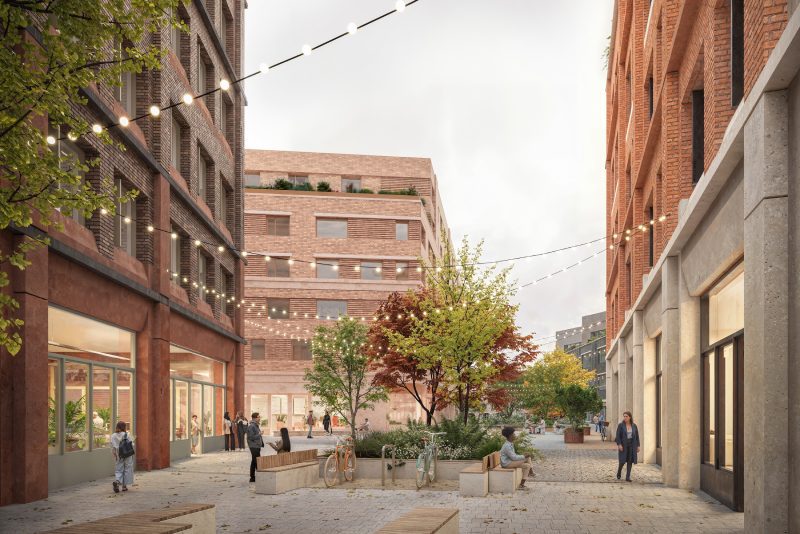
It builds on the buzz generated by the BBC and other anchor tenants of Digbeth, providing residential space for the young professionals drawn to the area’s creative energy and expanding career opportunities.
The scheme will be a hallmark of the creative quarter, a clear example of how sustained investment is driving potential across the city’s real estate market.
Connectivity: Linking the Region and the Nation
The West Midlands is one of the UK’s most connected regions. International investors, from the US to India, are choosing the region for its unparalleled access and infrastructure: major motorways and rail networks, direct international flights from Birmingham Airport, and 90% of the UK population within a four-hour drive.
But Digbeth takes that connectivity one step further. Positioned on the eastern edge of Birmingham city centre, it sits at the heart of a rapidly transforming transport ecosystem.
Digbeth will be directly connected to London in under 50 minutes by the brand new Curzon Street HS2 station, a proximity that will strengthen ties between organisations such as the BBC’s new Midlands base at the Tea Factory and their London operations, opening up collaboration, talent exchange, and production opportunities on a national scale.
Connectivity within the city itself is evolving too. The West Midlands Metro tram extension will run through Curzon Street Station, with a stop right outside the new BBC Tea Factory. It will make Digbeth even more accessible for workers, residents, and visitors, and will drive footfall into the area, boosting local businesses, and contributing to a lively, connected urban neighbourhood.
Culture and Cool Factor
Digbeth is a blend of creativity, culture and vibrant personalities, it’s re-imagining itself as one of the most exciting cultural quarters in the United Kingdom
- Time Out recently ranked Digbeth as the 13th coolest neighbourhood in the world, ahead of hotspots in New York, Sydney and Berlin.
- The Times has repeatedly featured Digbeth among the UK’s top 10 coolest places to live, highlighting its energy, food scene, and creative community.
From street art under the railway arches to the Custard Factory’s co-working spaces and indie cafés, this cultural richness forms a core part of Digbeth’s creative investment story.
Site Selection WM: The West Midlands Opportunity
Digbeth is riding a huge wave of investment opportunities, with current projects attracting attention, driving jobs, and pushing through infrastructure and connectivity projects that are building momentum in the district.
Many of these opportunities are in progressed stages of planning and are actively looking for investment partners. Housing, creative industries, and shovel-ready development opportunities can all be found on Site Selection WM offers a direct route to explore live sites, investment zones, and funding support.
Explore your next investment opportunity: https://www.siteselectionwm.com/
As we prepare for MIPIM and UKREiiF Digbeth stands as a showcase of what the West Midlands does best: turning industrial heritage into global opportunity.