The Green Power Revolution: It Starts Here
Engineering a low-carbon future
In the West Midlands, innovation doesn’t just happen – it’s engineered. Here, in the heartland of the UK’s automotive industry, a new kind of revolution is taking shape. This time, it’s powered by a drive to create clean energy, develop and apply advanced materials, and to decarbonise the world.
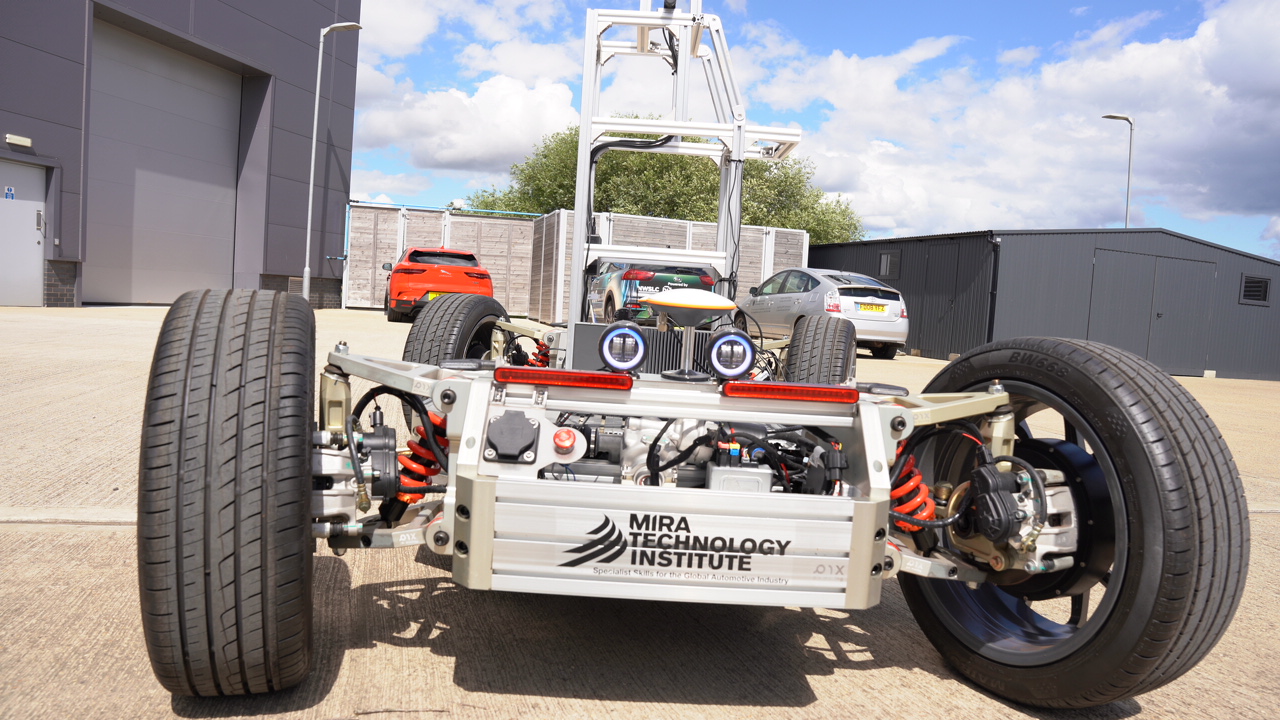
For over a century, this region has built the machines that move us. Now it’s building the technologies that will sustain us. From the workshop floors of Coventry to the research hubs of Birmingham and Warwick, world-class engineers, scientists, and entrepreneurs are creating the batteries, motors, and mobility systems that will define the next generation of transport.
Design-led. future-focused.
It starts with the people who dare to do things differently. Seb Inglis-Jones, co-founder and co-CEO of Maeving, represents a new wave of design-led manufacturing. His team is behind Britain’s first electric motorcycle company – blending classic British style with cutting-edge performance. From their West Midlands base, they’ve developed one of the world’s most energy-dense batteries and the most powerful electric hub motor in its class. The result: cleaner, smarter transport, built right here.
Turning innovation into industry
Barely a mile away within the same innovation corridor, Sean Gilgunn leads the UK Battery Industrialisation Centre (UKBIC). This one-of-a-kind national facility bridges the gap between research and mass production. At UKBIC, companies test, refine, and scale the battery technologies that will power tomorrow’s electric vehicles and energy storage solutions. It’s a factory, a laboratory, and a classroom in one. It’s a symbol of how the West Midlands turns innovation into industry.
Driving decarbonisation forward
Driving the region’s decarbonisation agenda forward, Margot James works with partners across government, academia, and business to make sure this momentum never slows. From the revolutionary light-rail system being developed by Coventry City Council and the University of Warwick, to the region’s expanding electrification supply chain, collaboration is powering progress.
Powering the next revolution
The West Midlands has always been the engine of Britain. But now, that engine is electric; quieter, cleaner, and smarter than ever before. The same spirit that once forged pistons and steel now shapes batteries, motors, and ideas. This is where the future of green mobility is being built.
From the first sparks of the Industrial Revolution to the clean technologies leading the next one, the West Midlands has always been where progress begins.
Powering a cleaner future. It starts here.
Video Transcript
Seb Inglis-Jones (Co-founder and Co-CEO, Maeving):
Creativity and innovation in our sector is really about making battery technology work for the average consumer.
Sean Gilgunn (Managing Director, UK Battery Industrialisation Centre):
Batteries are going to be at the forefront of automotive technology for decades to come, and we are in the heartland of the automotive industry here in the West Midlands.
Margot James (Chair of multiple regional advisory boards on decarbonisation):
We have the leading R&D facility into battery science, probably across the whole of Europe.
Seb Inglis-Jones:
Maeving are Britain’s first electric motorcycle manufacturer.
We’ve developed, painstakingly, the most powerful electric hub motor and the most energy-dense battery so that our bikes perform better than all of the Chinese scooters that are making waves across the world.
Sean Gilgunn:
There’s no other organisation that does what we do – which is to be able to give open access, almost like a learning-factory environment, to companies.
Never been done is what we do. It’s exactly what we do every day.
We’re helping companies that absolutely live by that mindset.
Margot James:
I love that theme because I think it’s really true of our region, and I think it’s very relevant when it comes to the decarbonisation agenda.
For example, we’ve got a light rail system that Coventry City Council and the University of Warwick have developed, and that has potential to reduce emissions from current rail networks – not just in the West Midlands but actually globally.
Seb Inglis-Jones:
But I think also there’s just a great energy in the area as well, whether it’s the suppliers that we work with or the support that we’ve had from local government.
There is a real determination to push sectors like the electrification sector forward and for the country to become one of the leading lights around the world.
Margot James:
It’s important that the region evolves and always keeps its foot on the accelerator for the future.
All:
West Midlands – powering a cleaner future.
It starts here.