Sustainable Construction
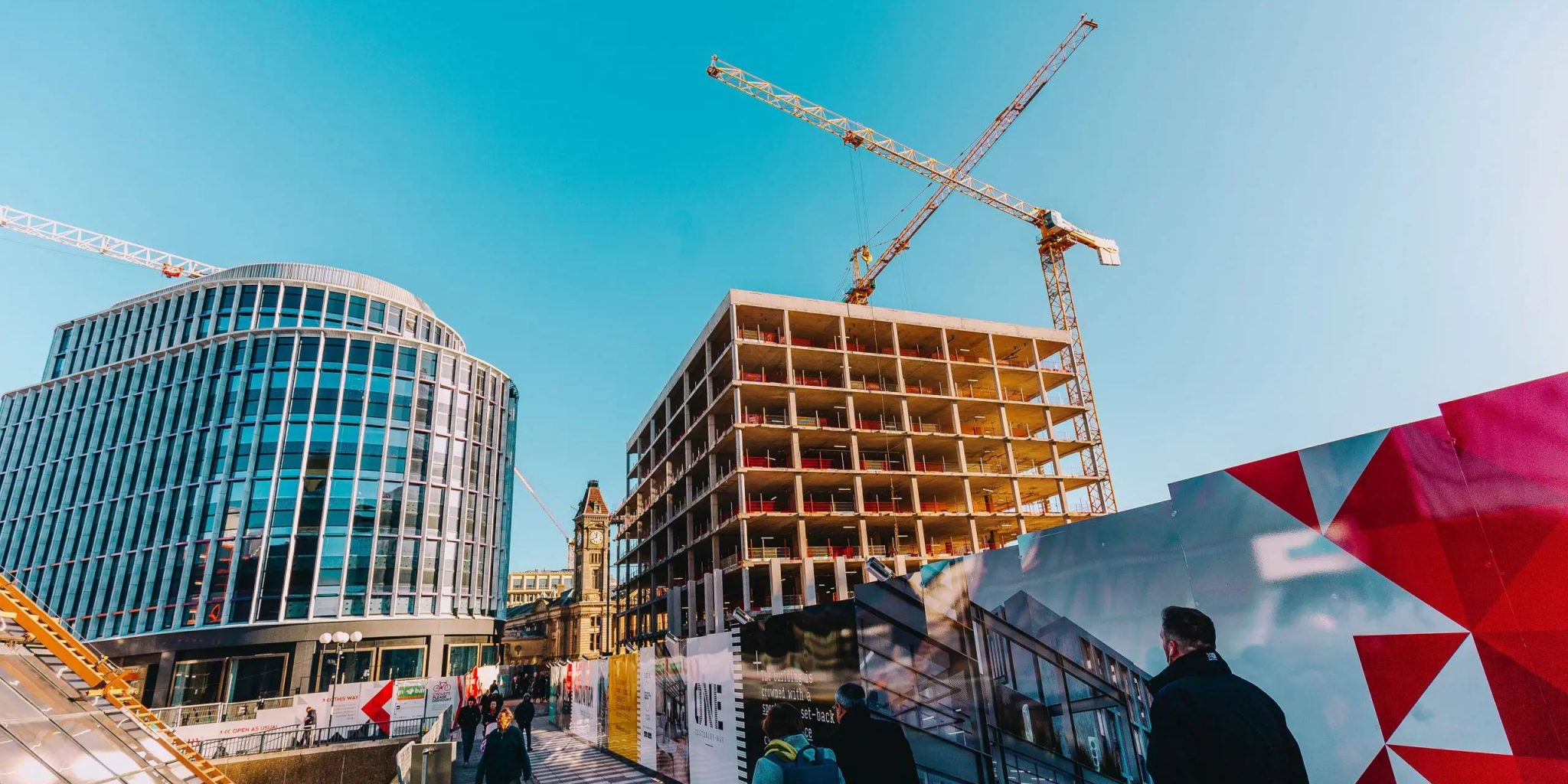
Sustainability is crucial to the evolution of the construction industry. The West Midlands has the ambition, skills and demand to carve a path for Sustainable Construction and low-carbon goals.
The West Midlands is aiming to be carbon net neutral by 2041, nine years ahead of the UK schedule. To meet this challenge, local companies are increasingly interested in new ideas that decrease their impact on the environment, whilst remaining efficient.
Birmingham, Coventry and Wolverhampton are all eager to engage with more sustainable design and construction solutions, a desire backed up by the region embracing movements such as the Green Innovation Corridor. With global targets only sustainable if carbon emissions from buildings operations can be halved, according to the International Environment Agency, enthusiasm for the sector will only increase in coming years.
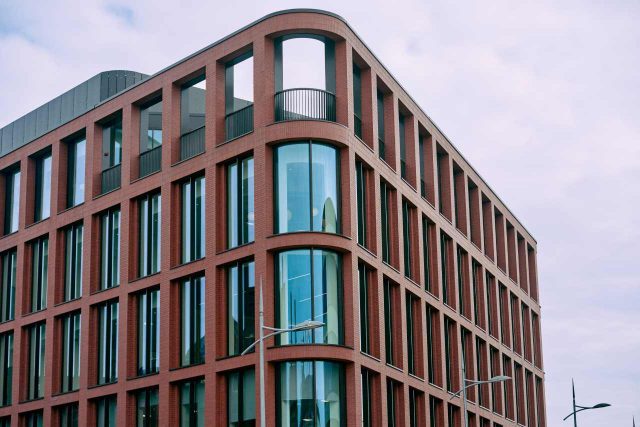
Construction opportunities in the UK
The Farmer review was commissioned by the UK Government in 2016, evaluating the state of the construction sector and hence setting out 10 recommendations to energise the industry. Critically, one of these explicitly called to promote policy that embraced pre-manufactured construction solutions.
With the industry desperately needing to “modernise or die”, organisations across the West Midlands are seeking opportunities that provide solutions to streamline processes, reducing eras and more closely aligning design and build teams. Providers willing and able to supply solutions will be welcomed to the region with open arms.
Pre-manufacturing
The West Midlands is world renowned for its global manufacturing capabilities in an array of sectors ranging from automotive to aerospace. The region has the factories, facilities and forward-thinking workforce to manufacture on a large scale, in a sustainable way, and the supply chain infrastructure needed to support large manufacturing projects already exists. It’s just waiting to be utilised.
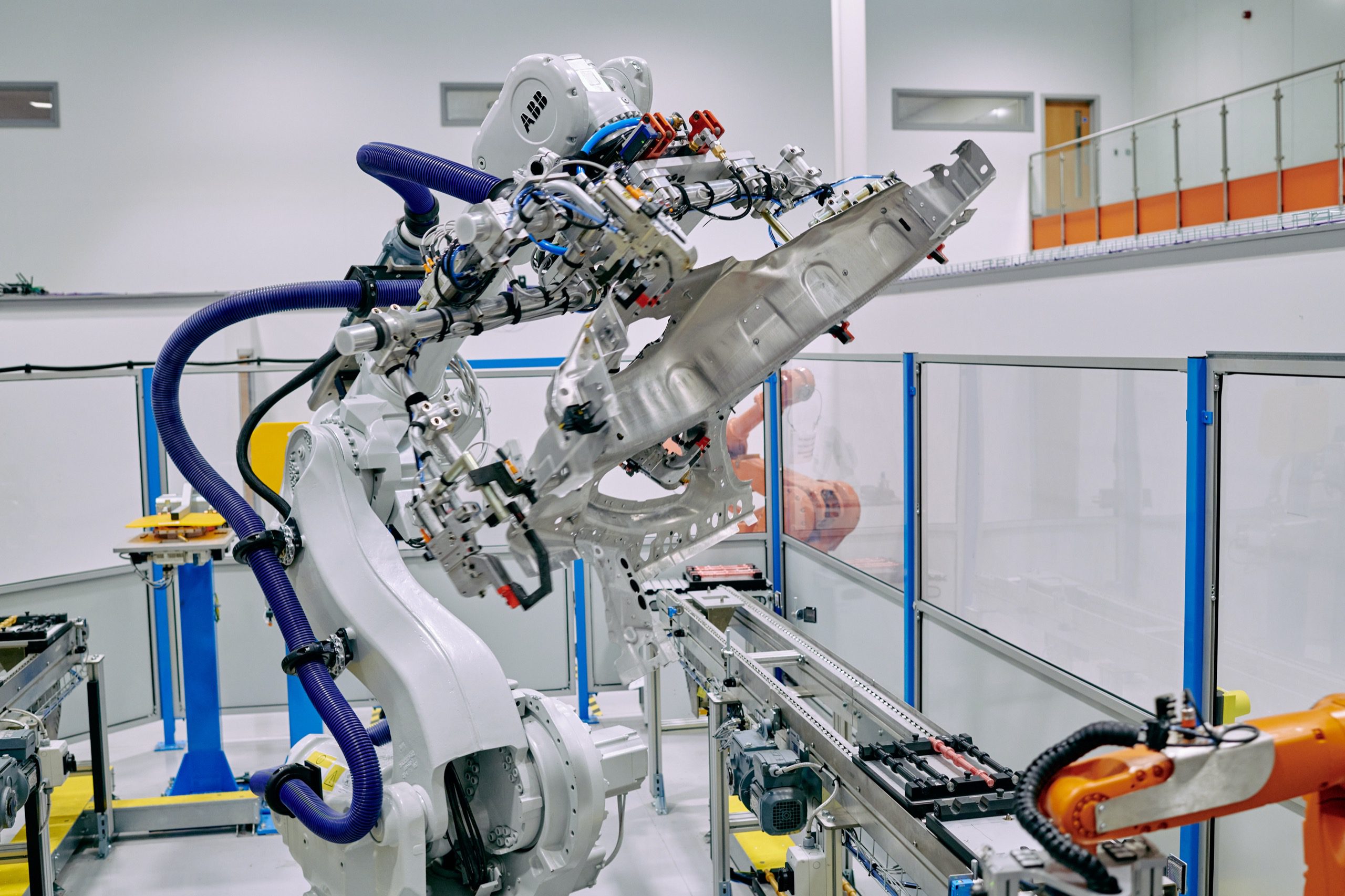
Simulation, digitization and modelling
Communication is the key to any successful process. To modernise, and improve efficiency, in a sector where processes are becoming even more complex to meet carbon-neutral goals, better communication at every level of a project is needed in the construction sector.
There is potential for the right decision support tools to enter the region and increase efficiency in construction; from the design board to the end of a project.
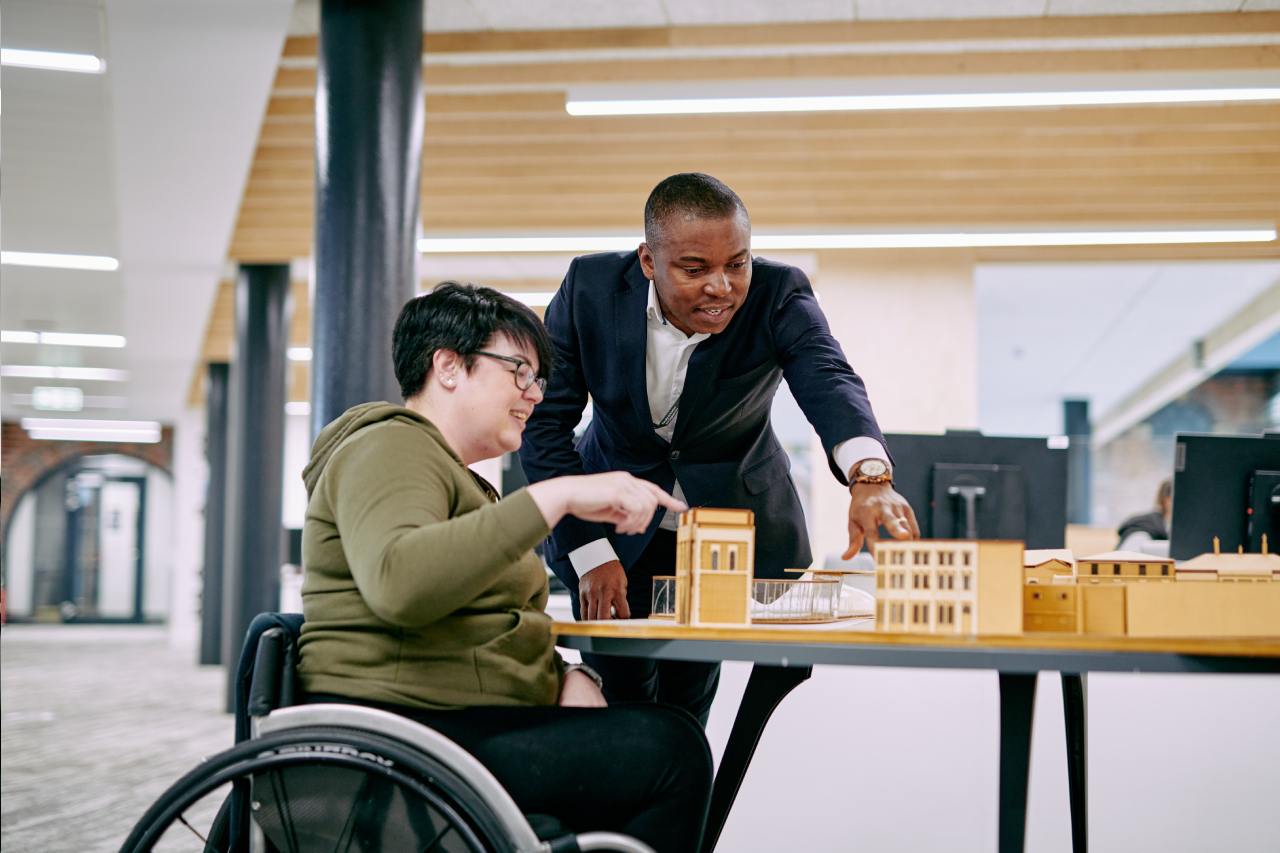
The West Midlands has a booming digital sector. The region is a fast growing tech sector that employs 76,000 talented individuals. From Cybersecurity to gaming, the local digital and tech industry is set to boost the national economy by £2.7 billion by 2025.
As the country’s first 5G multi-city testbed we are well placed to support pioneering tech companies. With 50+ accelerators and incubators in the region, we can help kickstart a company’s journey or help them grow to the next level. With local sector experts ready to help you find funding routes, office spaces or professional networks, all free of charge, you can land in the West Midlands and hit the ground running.

The Circular Economy Routemap
The West Midlands Combined Authority is building a circular economy; reusing and recycling on an economy-wide scale. Construction needs to be a part of it.
The Circular Economy Routemap calls for supporting the growth of regional products and services that enable the construction industry to become greener and able to fit into this new circular economy. These products and services stretch across sustainable materials to R&D and are highlighted as key enablers that are highly sought after currently in the region.
The strategy for sustainable construction is focused around generating opportunities across the industry, and Innovative solutions around sustainability are wanted here.
A region embracing the future
Demand for housing in England is high and the UK’s targets of 300,000 new homes being built each year are not being met; Only 150,600 homes were built in 2025. Further discovery around sustainable, modular construction is needed in the region to accelerate progress toward national targets.
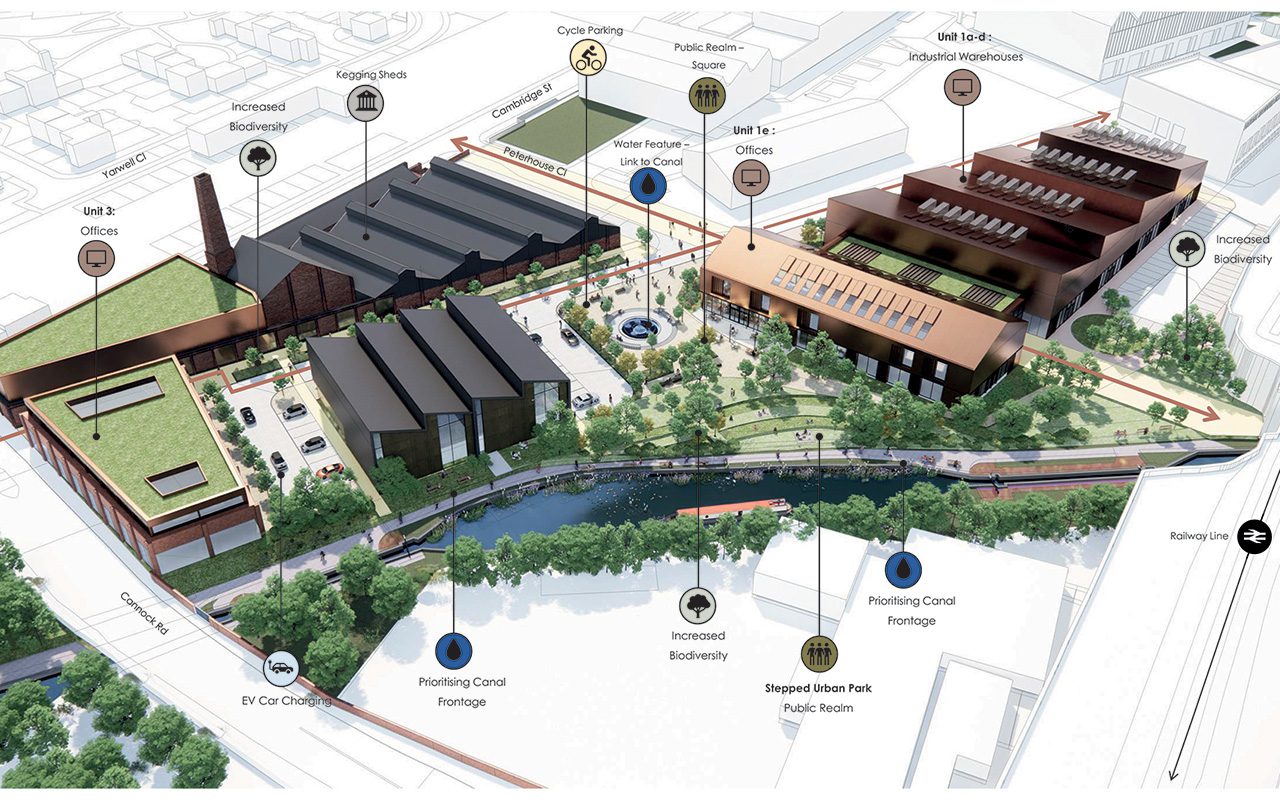
This housing needs to not only be sustainable, but efficient, and better for the environment, driven by the West Midlands’ ambitious commitment to be carbon net-zero by 2041. Developments including Canalside South in Wolverhampton are already underway, showing that the region is receptive to sustainable construction practices, and even modular housing.
The City of Wolverhampton Council has entered a bid for £20m of the UK’s Levelling up funding to deliver the Green Innovation Corridor. Acting as the space for any green or low-carbon company in the region, and offering both office and industrial space, this area will be at the heart of sustainable change on a national scale.
With a strong history of manufacturing
Increasingly, the future of Sustainable Construction, Cleantech, and the Built Environment depends on the crossover between manufacturing and construction.
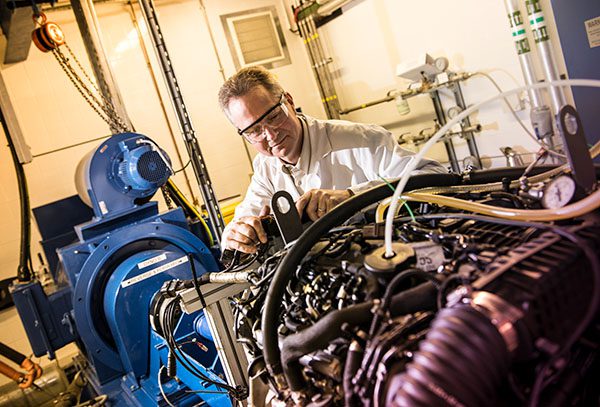
The West Midlands already has centuries of advanced manufacturing proficiency behind it. Today, it stands as one of the largest manufacturing economies in the UK, with a GVA of almost £17.5 billion across the WMCA’s triple LEP. West Midlands based companies have a huge advantage, drawing on expertise and existing skill bases built into regional heritage, and companies including Accord, Prism and Modpod have already taken the plunge to utilise the region’s strengths to their max potential.
And educating the future of the industry
Professor David Boyd, Birmingham City University, has written about the necessity of “practically applicable or real-world gain” research. His work on the future of digital construction includes Building Information Modelling for sustainable construction, and digitising workflows to improve decision making processes. The West Midlands’ eight world-class universities create partnerships that push the boundary of what can be accomplished in R&D.
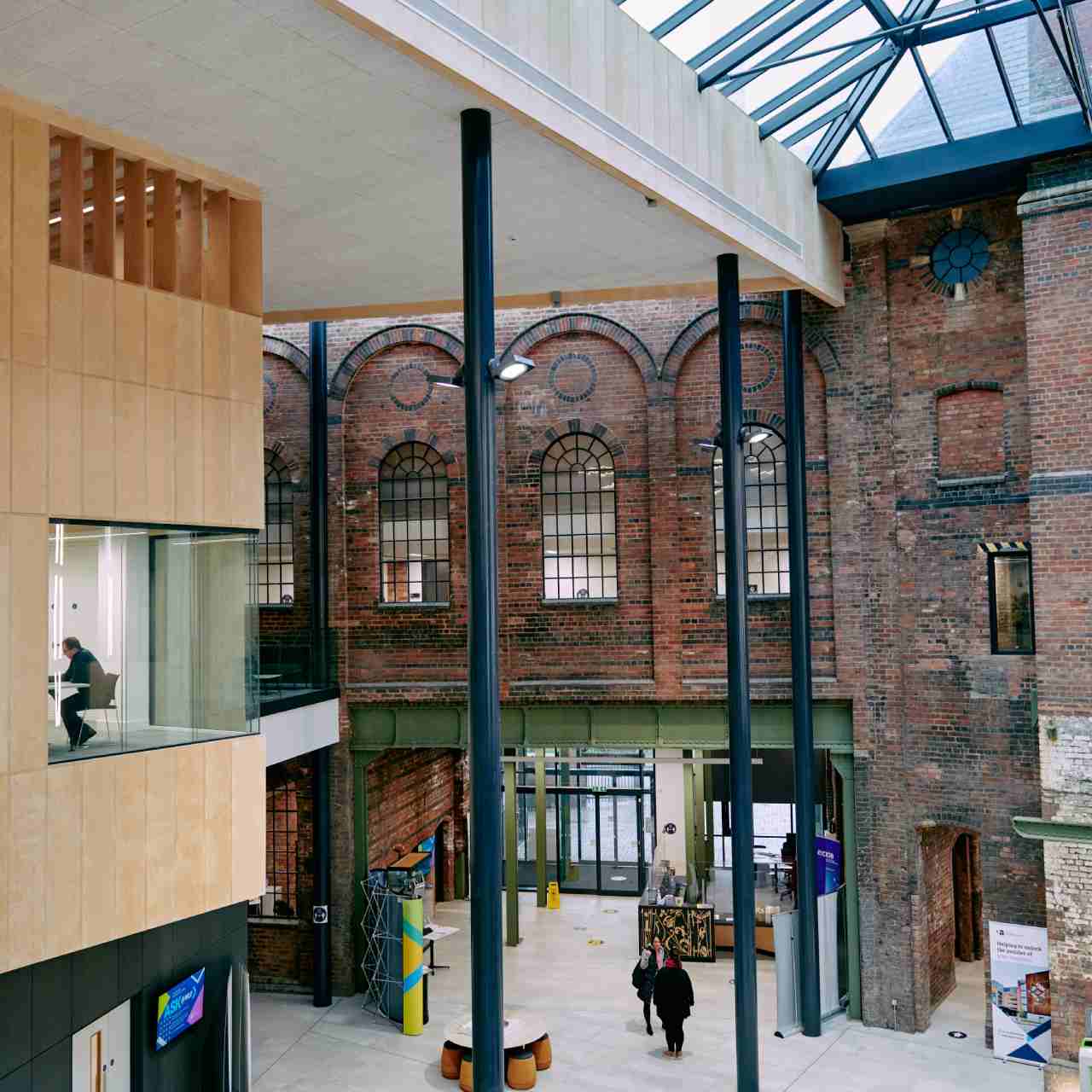
The £120 million School of Architecture and the Built Environment at Wolverhampton University are both teaching the next generation of students, prospective members of the talent pool in the region, the skills they need to face the future of the construction industry head on, and skills that can aid any company setting up in the region make progress fast.
A proven place for success
Birmingham is host to a number of global, leading technical consultancies in green construction and the built environment. We are home to the likes of Mott MacDonald, Arup, WSP, Arcadis and Wates.
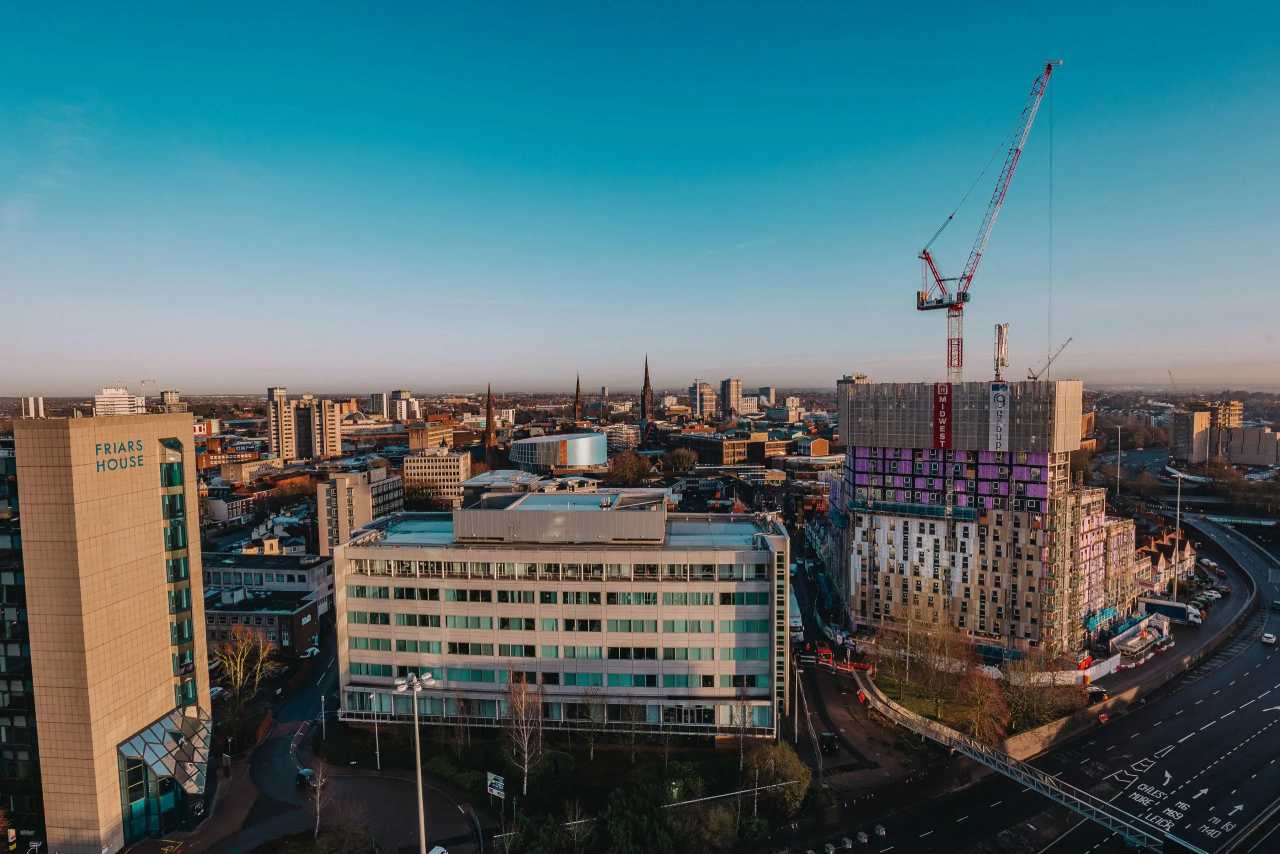
The SES Engineering arm of Wates has relocated its offsite manufacturing operations to a Coventry facility. The move “reflects the industry shift towards prefabrication” according to Jason Knights, managing director of SES Engineering Services. The growing demand for offsite manufacturing solutions and the availability of highly skilled people in Coventry were also deciding factors in the move.
Free support services
We bring together a project team from relevant organisations across the region. This team includes property agents, recruitment consultants, public sector departments and universities. It delivers a comprehensive support package to quickly and easily help you establish and scale your business in the UK.

Oliver Burrows
Industrial and Life SciencesBusiness Development Manager