The West Midlands: a Hotspot for the UK’s Net-Zero Economy
The West Midlands has spent generations turning new ideas into industry. From the age of steam to the frontier of battery technology, the West Midlands is where breakthroughs begin.
As an established net-zero ecosystem with specialist research and production facilities, a large potential manufacturing customer base and targeted investment benefits, the West Midlands is an engine helping drive the UK green economy by generating £7.8 billion GVA in net-zero and supporting 87,400 full-time equivalent jobs across net-zero companies.
With a triple helix approach that combines the power of private-sector ambition with public-sector incentives and academic expertise, the region offers the right conditions for low-carbon companies to turn innovation into commercial growth.
The Birmingham-Coventry Corridor
The region’s green sector was recently highlighted in The Race for Net Zero, a CBI Economics report examining the value of the UK’s net-zero economy.
It found net-zero activity in the West Midlands generates 60% more economic value per worker than the regional average, underscoring the high economic value generated by the sector.
The report further identifies the Birmingham-Coventry Corridor (Birmingham, Coventry, Sandwell, Solihull, Warwick and Rugby) as one of the UK’s billion-pound net-zero hotspots. These six UK hotspots show where net-zero activity has developed into substantial local employment and economic output.
The report states that the Birmingham-Coventry Corridor generated £1.6 billion in direct GVA and the hotspot supported 1,100 companies, reflecting the scale of the region’s manufacturing base, low-carbon production and supply chains.
Overall, The Race for Net Zero found that the Birmingham-Coventry Corridor is the UK’s second-largest net-zero hotspot by direct GVA, behind only the Scottish Central Belt.
These findings show that the region is a significant and established base of low-carbon activity.
The West Midlands Investment Zone
The West Midlands Investment Zone is one of 13 Investment Zones supported by the UK government. It builds on the region’s disruptive mindset and R&D excellence.
Two areas within the Zone are dedicated to low-carbon and energy innovation, forming the backbone of the West Midlands’ green revolution.
The Coventry & Warwick Investment Zone
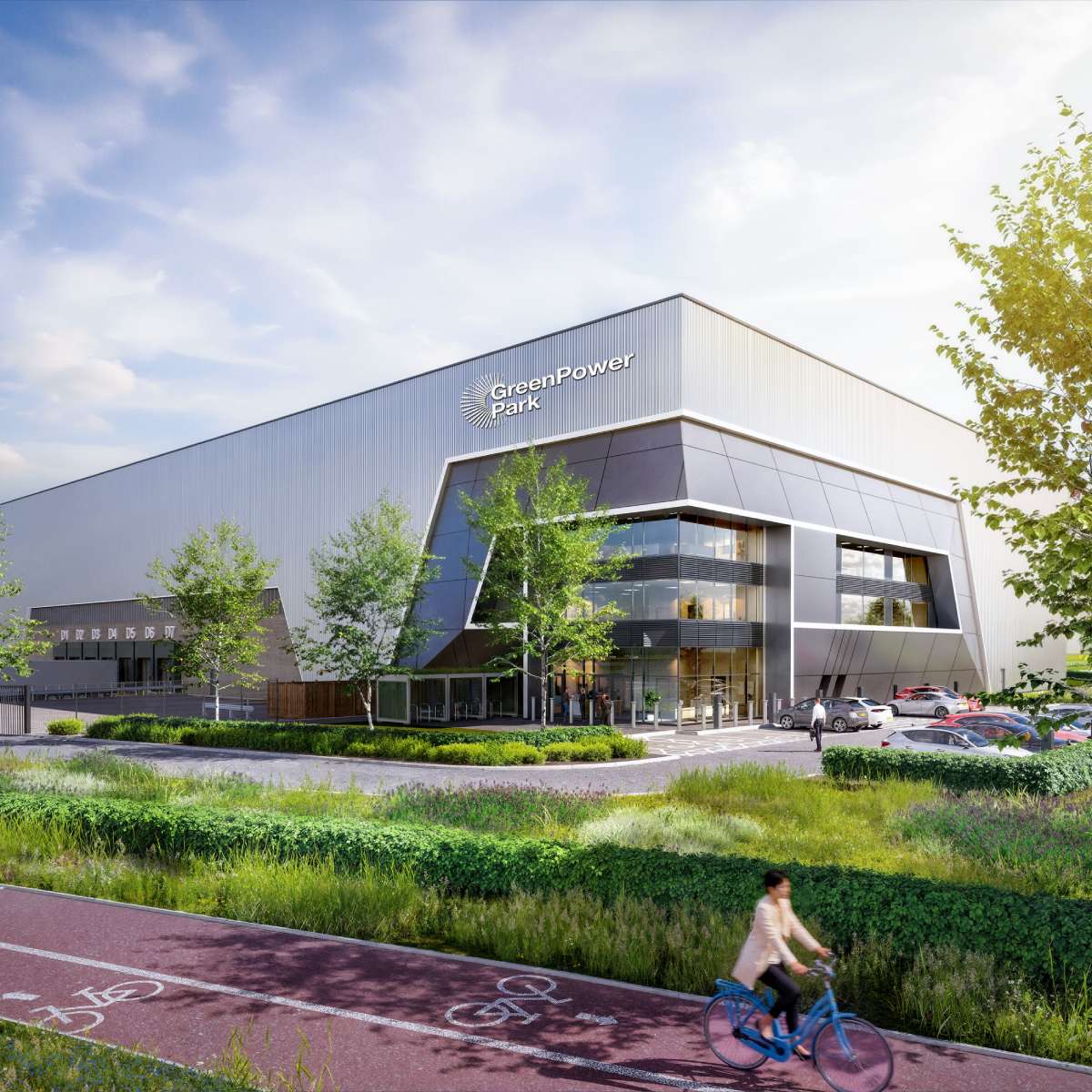
The Coventry & Warwick Investment Zone is creating a major hub for battery technology and green advanced manufacturing. It offers companies office and facility space located right next to the GreenPower Park, a centre of excellence for battery technology, advanced manufacturing and clean energy innovation.
The 241-hectare development area also comprises SEGRO Park Coventry, SEGRO Park Whitley South and Whitley East, placing businesses within a cluster of automotive, battery and future mobility expertise.
Building on Coventry and Warwick’s electrification and advanced manufacturing ecosystem, the Investment Zone enables companies to locate in the centre of the supply chain, with specialist facilities and testing capabilities that can reduce barriers to development and accelerate routes to market.
The Coventry & Warwick Investment Zone also comes with tax incentives for eligible businesses, like full business rates relief for 5 years, to de-risk relocation and accelerate growth.
The Wolverhampton Green Innovation Corridor
Elsewhere in the region, the Wolverhampton Green Innovation Corridor (GIC) is acting as a catalyst for green construction, sustainable manufacturing and low-carbon innovation, connecting companies with university researchers, specialist expertise and skilled talent, enabling collaboration.
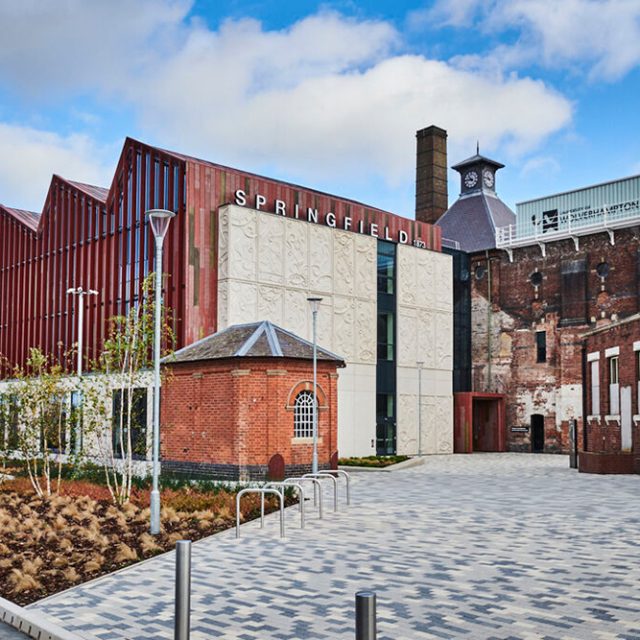
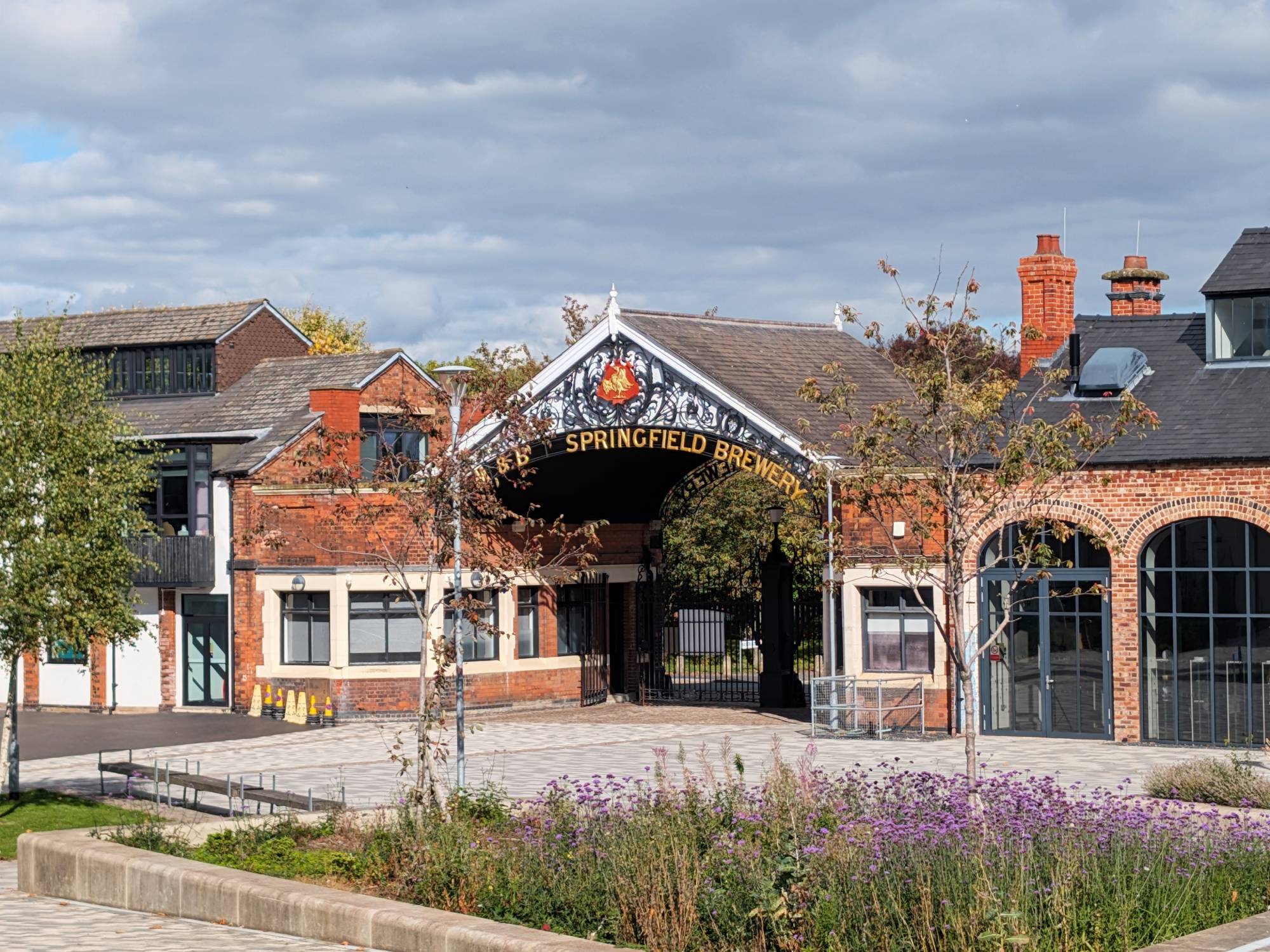
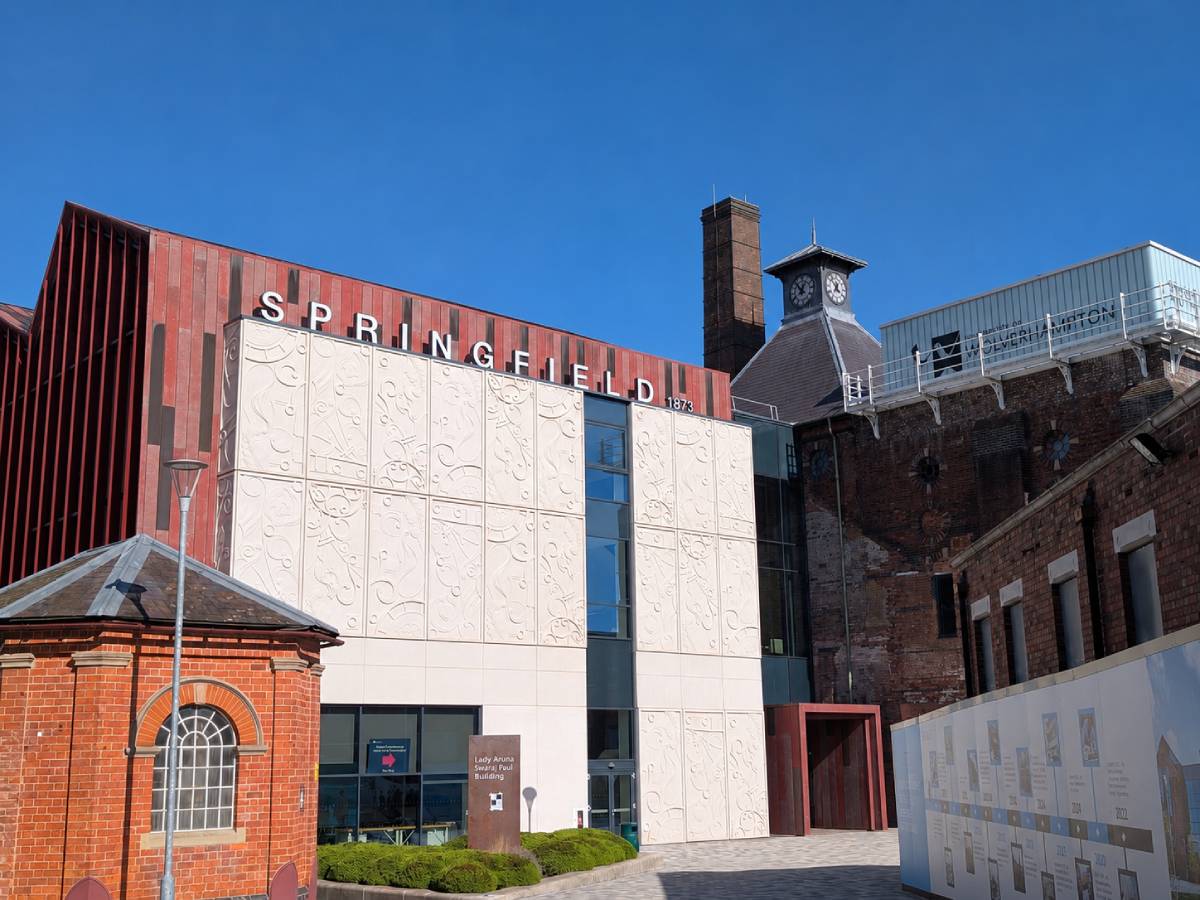
The GIC will connect the University of Wolverhampton’s Springfield Campus, Wolverhampton Science Park and the i54 advanced manufacturing business park.
As part of the West Midlands Investment Zone, the corridor will strengthen Wolverhampton’s capabilities in low-carbon innovation and help companies based there develop and adopt cleaner, more productive manufacturing technologies.
What makes the West Midlands great for Low-Carbon companies?
The Wolverhampton GIC, the Coventry & Warwick Investment Zone, and the Birmingham-Coventry corridor identified in the CBI’s report bring together the expertise and facilities they need to design, test, manufacture and innovate — all in one region.
Having everything needed to move ideas from the drawing board to production within one regional ecosystem empowers companies to overcome barriers on their journey to market. They can benefit from research and development, production, and material recovery facilities without having to assemble those capabilities across several disconnected locations.
Development and Testing
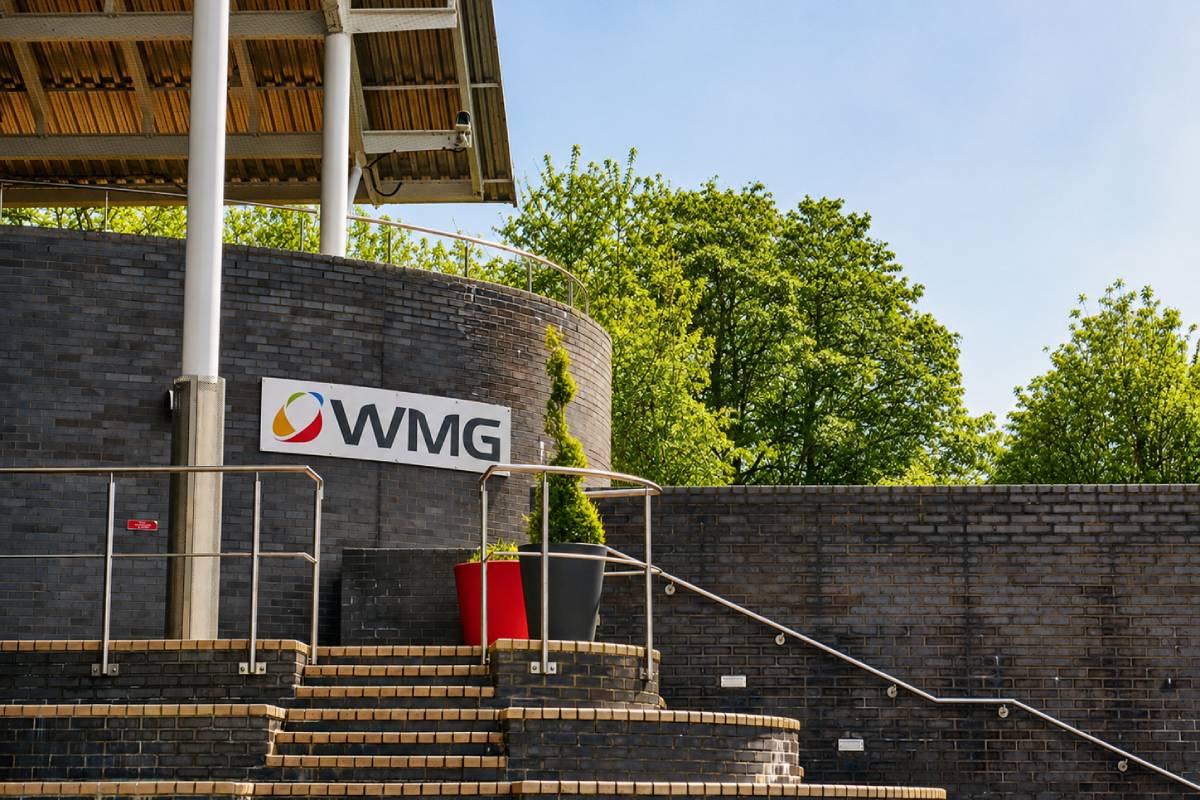
Over 700 companies have partnered with WMG, the largest department at the University of Warwick. Companies can leverage WMG’s research and engineering expertise in battery technology and electrification to design new battery products.
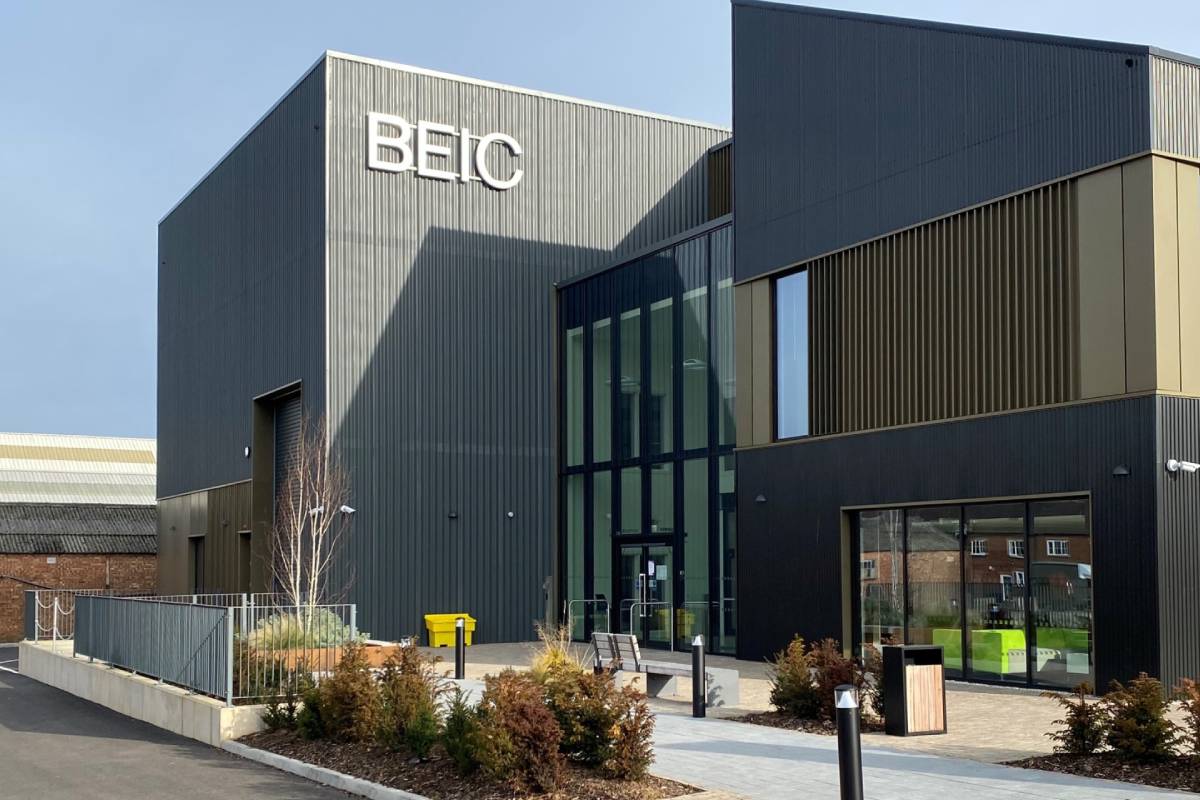
The manufacturing process for those products can then be formulated at the UK Battery Industrialisation Centre. UKBIC gives businesses access to specialist production equipment without requiring them to invest immediately in their own full-scale facility, helping reduce the cost and risk involved in moving from a successful prototype to a repeatable manufacturing process.
Commercialisation
Successful commercialisation is dependent on de-risking and proving emerging technologies.
At TEP Birmingham, businesses can develop and demonstrate technologies within a working energy and industrial setting, supported by expertise in hydrogen, energy storage, low-carbon fuels and waste-to-value systems.
This gives companies an opportunity to gather the technical and commercial evidence needed to attract customers or further investment.
Material Recovery
The region also supports the later stages of the product lifecycle. Recyclus Group was the first UK company to recycle lithium-ion batteries.
Its battery-recycling operations in Wolverhampton provide capacity to process end-of-life lithium-ion batteries and recover valuable materials.
Alongside battery and materials research at WMG and recycling activity at TEP Birmingham, Recyclus Group is helping build a more circular supply chain around electrification and clean technology.
The network and connections that drive success
These specialist facilities sit within a wider network of science parks, innovation hubs and advanced manufacturing locations. The University of Warwick Science Park, Wolverhampton Science Park and hubs such as STEAMhouse provide the workspace, business support and connections companies need to grow.
They bring together entrepreneurs, SMEs and high-growth businesses, placing them alongside established business leaders with experience scaling ideas into successful commercial ventures.
Through workshops, seminars, mentoring and networking events, these locations strengthen the region’s innovation ecosystem, helping businesses share knowledge, build partnerships and turn new ideas into market-ready opportunities.
The Coventry & Warwick Investment Zone and the Wolverhampton Green Innovation Corridor sites then give companies room to expand as they grow beyond desk space and move their technologies towards commercial production.
Demand
The region’s industrial legacy also gives it a high concentration of energy-intensive manufacturing businesses facing rising costs and pressure to decarbonise.
This creates a customer base for companies developing low-carbon technologies to test and scale solutions with businesses that have a clear commercial need.
Low-Carbon Innovation in Action
The benefits and the opportunities in the region turn into real-world success. Darvick and Maeving exemplify that success.
Maeving, the Coventry-based electric motorcycle manufacturer, have shown how regional manufacturing, local supply and expertise in low carbon can be applied to the automotive market.
The unique thing about being based in the region as part of the EV sector is the sheer talent you have around you, and the quality of local suppliers. 65% of our bikes’ components are made in the UK, and a great many of them from suppliers based just down the road from our factory.
Maeving perfected removable batteries for their electric motorbikes, using them to overcome the charging barrier, instead of the typical route of trying to extend journey mileage.
Darvick saw the potential that hydrogen fuel has in the HGV and aerospace sectors, and stepped in to create bespoke, cutting-edge hydrogen and cryogenic testing equipment for big names like Rolls-Royce.
The West Midlands has a uniquely broad number of small businesses and supply chains to work with, according to Vicki Wilkes, Commercial Director at Darvick. “I think the supply chain here is second-to-none… There are a lot of support networks in this area, and if you go out there and get involved, then it will be paid over and over.”
The West Midlands is already a proven centre of net-zero economic activity. Its combination of research expertise, specialist testing and manufacturing facilities, established supply chains and industrial demand gives low-carbon companies access to support at multiple stages of commercialisation.
For businesses developing the technologies of a greener economy, the region provides a clear route from research and development through testing and production to market adoption and commercial growth.
Free support services
We bring together a project team from relevant organisations across the region. This team includes property agents, recruitment consultants, public sector departments and universities. It delivers a comprehensive support package to quickly and easily help you establish and scale your business in the UK.

Sally Stevenson
Advanced Manufacturing & Low CarbonSenior Business Development Manager
You Might Also Be Interested In…
The Green Power Revolution: It Starts Here
It Starts Here
Low Carbon
Key Sectors