InoCardia

What if you could predict a drug’s effect on the heart before you made it?
Pharmaceutical drug development has always been a search for an answer to one fundamental question: Is a drug safe?
Traditionally, the answer comes through testing. The assumption is straightforward: more testing creates better evidence, and better evidence means greater confidence in the decision.
But there was a gap.
Across industry and academia, drug developers kept encountering the same problem; they simply couldn’t predict how a new drug would affect the human heart before years of traditional development and investment had already been committed.
The models used to predict weren’t always human enough.
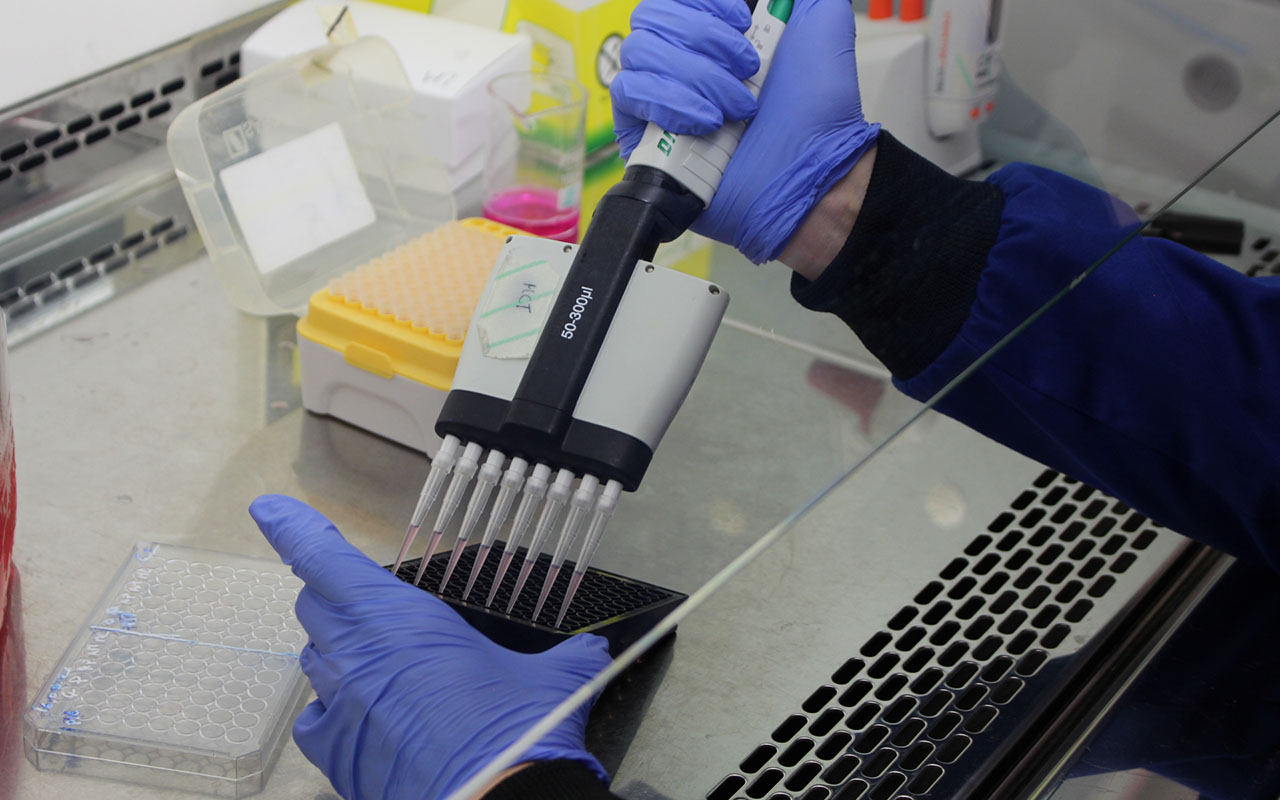
The problem wasn’t a lack of testing, but the limits of what the testing could predict.
Get the prediction wrong and a medicine that has shown promise for years can fall at the final hurdle, wasting substantial time, resources and investment.
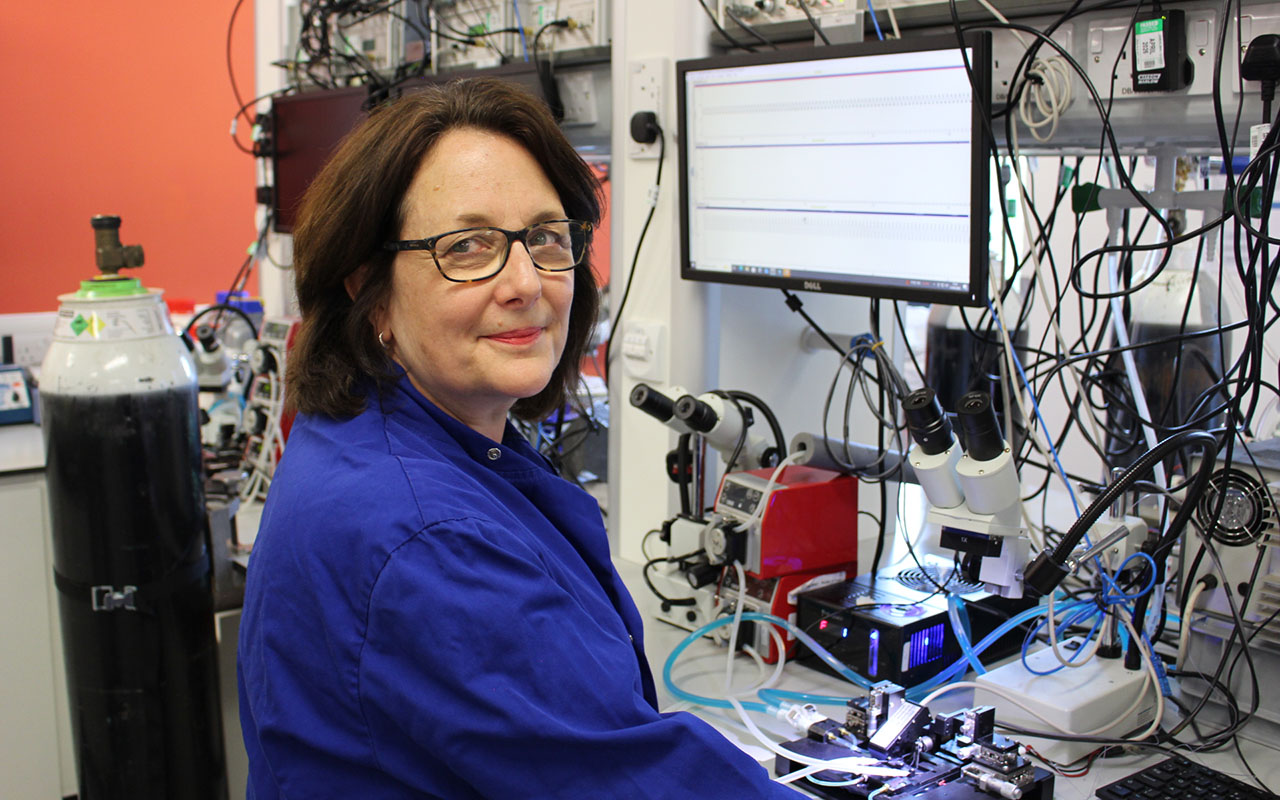
Having worked in the pharmaceutical industry and alongside cardiologists, Professor Helen Maddock, CSO and Founder of InoCardia, had seen first-hand where those models fell short. For her, this wasn’t simply a gap in science. It was a problem that needed solving.
There are major pain points within the pharmaceutical industry. 96% of drugs that are developed, when they go into patients or in clinical trials, are shown to either not be safe or also not effective.
Typically, a drug moves from ion-channel and binding tests through tissue models and animal studies before eventually reaching human trials. But those models do not fully recreate how a human heart contracts and relaxes under load.
What if drug developers could test on heart tissue that behaved more like a human heart?
And what if that could lead to better decisions much earlier?
At InoCardia, we’re building a different way to make those decisions
Making the heart behave more like a heart
In the West Midlands, InoCardia’s Work-Loop platform uses engineered heart tissue to recreate key aspects of how the beating heart works, helping developers see how a drug could affect its function.
It’s a breakthrough that many scientists thought couldn’t be done.
A challenge to a long-standing industry assumption.
The potential impact became clear when InoCardia tested a cancer drug that had already spent around a decade in development before serious cardiovascular effects emerged in clinical trials. When the team put the drug through its own model, Maddock says the negative effect on heart function could be seen within minutes.
It was a striking example of what earlier, more human-relevant prediction could change.
Predicting before the drug exists
For InoCardia, the aim isn’t simply to test better. It’s to predict better and earlier.
InoCardia’s Cardiotoxome platform takes that a step further, using data and machine learning to predict how a potential drug could affect the heart before it is even made.
It flips the process on its head. Instead of making a drug to find out what it does, InoCardia can start predicting what it will do before it is even made.
Our vision goes beyond the laboratory. We combined human relevant biology with predictive data, artificial intelligence, and machine learning.
This is not simply an ethical shift. It is a scientific, regulatory, and commercial shift towards better human prediction. And this is very much a West Midlands growth story.
From scientific breakthrough to industrial scale
For InoCardia, the West Midlands is not just where the science happened.
It is where the science can be industrialised.
The region’s life sciences expertise helped InoCardia develop its human-relevant predictive technology. But its advanced manufacturing heritage could be just as important to what comes next.
Maddock is already talking to people working in automation and robotics across the region, exploring how expertise developed through automotive and advanced manufacturing can help industrialise and scale InoCardia’s technology.
It brings together disciplines that do not traditionally sit side by side: life sciences, engineering, automation and manufacturing.
What is fundamental is the ability to industrialise and scale the opportunity. And that’s where the advantage of being in the West Midland is – because of the advanced manufacturing.
They know how to scale and grow and industrialise because of the heritage of the automotive industry, and translating that into the life sciences sector, I think is valuable.
For investors, InoCardia shows what can happen when the West Midlands’ life sciences expertise meets its engineering and advanced manufacturing capability.
We’ve got scientists from Cambridge, from Oxford, from London, wanting to collaborate with us here in the West Midlands. In terms of the space that we have, the equipment, the innovation and the different way of thinking.
At a point when the frameworks for drug discovery and testing are changing, InoCardia is working to move cardiovascular prediction earlier in the drug-development process – before years of time and investment have been committed.
The pharmaceutical industry has spent decades getting better at testing drugs.
InoCardia is asking whether the bigger opportunity is to get better at predicting them.
It starts here.
Developing safer and more effective medicines faster. That is what we are building at InoCardia. Here in the West Midlands
More West Midlands Innovations in Action
Faster Horse Hausbots
It Starts Here

Faster Horse Maeving
It Starts Here

Faster Horse Nonacus
It Starts Here